Anne Arundel County halts new development approvals in Baltimore City sewer service area over peak-flow limits
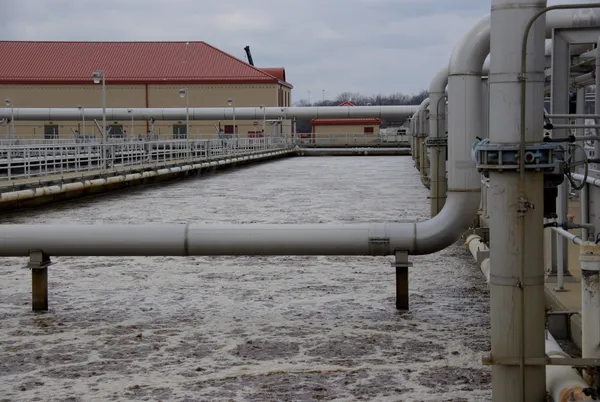
Moratorium takes effect immediately in northern Anne Arundel areas tied to shared sewer infrastructure
Anne Arundel County has imposed an immediate moratorium on new wastewater capacity allocations in the portion of the county served by the Baltimore City Sewer Service Area, citing critical peak-flow capacity constraints in shared infrastructure that carries sewage across jurisdictional lines.
The county’s Department of Public Works said the limitations are concentrated in areas that connect to the Patapsco Interceptor and a sewage pumping station operated within a regional system involving Baltimore City and Baltimore County. While Anne Arundel remains within its average daily flow limits under existing agreements, the county said peak volumes during wet weather are now exceeding what the shared system can reliably accommodate.
What is being suspended, and what can still proceed
The moratorium pauses approvals for new capacity allocations tied to development and permitting in the affected sewer service area. The county also said it is suspending approvals of new allocations associated with building permits and tenant fit-out permits that would send additional flow into the constrained infrastructure.
- All previously allocated Equivalent Dwelling Units (EDUs) will be honored.
- Projects and permits without a formal allocation before the moratorium date are placed on hold for allocation and final approval.
- Infill lots with failing septic systems are eligible for an exception and will be prioritized.
- Tenant fit-out permits requiring one or more EDUs will be reviewed case by case.
County leadership framed the action as a public-health and infrastructure-protection measure intended to reduce the risk of sanitary sewer overflows when storms and groundwater infiltration push flows above designed capacity.
Why capacity is constrained now
Anne Arundel’s notice points to the combined effects of aging infrastructure and inflow and infiltration—rainfall and groundwater entering sewer pipes through cracks, faulty connections, or manholes—as major drivers of wet-weather peak volumes. The county also said that ongoing consent decree requirements affecting Baltimore City and Baltimore County limit their ability to provide additional capacity to Anne Arundel at this time, creating an immediate bottleneck for new connections in the impacted service area.
Timeline and longer-term planning
The county said it is conducting a wastewater strategic plan that includes evaluating whether flows can be diverted to other county facilities, including the Patuxent and Cox Creek systems. County documentation describes that planning and implementation pathway as a multi-year effort, with an estimated timeframe of at least five years.
The moratorium remains in place until additional capacity is secured or the action is modified or lifted.
What residents and businesses should watch next
For property owners and builders, the practical effect will depend on whether a project already holds an allocation and whether it lies within the mapped sewer service area subject to the moratorium. County agencies responsible for public works, inspections and permits, and planning and zoning are positioned as the implementing bodies for the pause, including any case-by-case reviews and limited exceptions.
The county has published a map identifying the affected service area boundaries and has indicated the moratorium is effective immediately.