Anne Arundel County halts some development approvals as sewer peak-flow limits hit Baltimore City service area
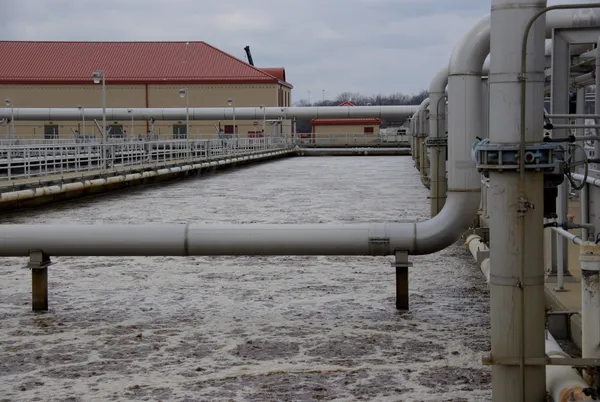
Moratorium targets sewer capacity allocations tied to a shared regional system
Anne Arundel County has imposed an immediate moratorium on new sewer capacity allocations for certain parts of the county that send wastewater into the Baltimore City Sewer Service Area, pausing approvals for some development projects and certain tenant fit-outs that require additional sewer capacity.
The action was announced March 2, 2026, after county officials determined that the affected portion of the shared regional system has reached peak-flow capacity limitations. The restriction applies to areas that connect to the Baltimore County Patapsco Interceptor and Sewage Pumping Station, a key conveyance and pumping segment within a multijurisdictional network.
Why the county says projects are being put on hold
County officials said the constraint is driven by peak volumes rather than average daily use. The county remains within average daily flow limits, but wet-weather conditions and aging infrastructure have increased inflow and infiltration—stormwater and groundwater entering sewer pipes—pushing peak flows beyond current multijurisdictional agreements.
The county also indicated that existing consent decree obligations affecting Baltimore City and Baltimore County limit the ability of those systems to provide additional capacity to Anne Arundel County in the near term, creating what the county described as an immediate bottleneck for new connections in the impacted service area.
What the moratorium changes for builders, businesses and residents
Under the moratorium, the county is suspending approvals of new capacity allocations—often measured in Equivalent Dwelling Units (EDUs)—for new development in the affected service area. The county also said it will suspend approval of new allocations for building permits and tenant fit-out permits for projects that would flow into the constrained infrastructure.
- Projects that already received formal sewer allocations before the notice date are expected to keep those allocations.
- Projects and permits that had not received a formal allocation before the notice date are now on hold and cannot receive allocation or final approval until capacity is secured or the moratorium is modified or lifted.
- Infill lots with failing septic systems may be prioritized as exceptions.
- Tenant fit-outs requiring one or more EDUs may be reviewed case by case.
County officials said the purpose of the moratorium is to protect existing wastewater infrastructure and public health by reducing the risk of sanitary sewer overflows during peak conditions.
Geography and timeline: a near-term pause with a multi-year planning horizon
The county released a map outlining a “moratorium region” in northwestern Anne Arundel County near the county line and the BWI Thurgood Marshall Airport area, reflecting where sewer flows feed into the constrained Patapsco-linked segment.
As a longer-term response, the county said it is conducting a wastewater strategic planning effort that will evaluate diverting flows to other facilities, including the Patuxent and/or Cox Creek treatment systems. The county indicated that process is expected to take at least five years, suggesting that the development pause—unless partially relieved through interim measures—could shape permitting and construction timelines well beyond the current building season.
For affected communities and applicants, the practical impact is immediate: projects lacking prior formal sewer allocation face permitting delays, while county agencies reassess capacity, operational constraints and potential rerouting options across the regional network.