Baltimore 15-vehicle crash on I-83 overpass sends one to hospital, draws major towing response
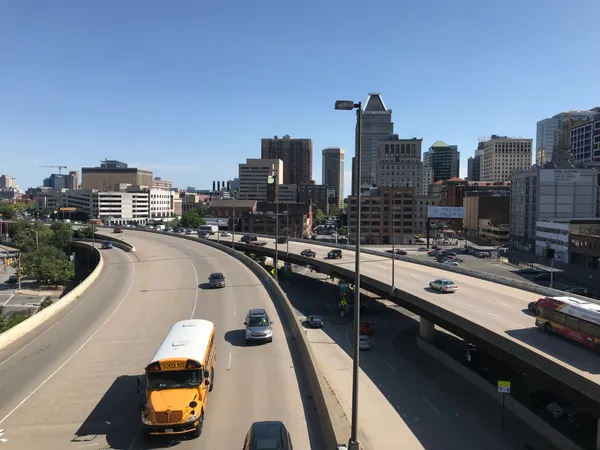
Crash on 29th Street overpass triggers multi-agency response
A chain-reaction crash involving at least 15 vehicles shut down the 29th Street overpass above Interstate 83 in Baltimore on the night of Sunday, Jan. 18, 2026, as freezing conditions created slick road surfaces across the region. Emergency crews responded to reports of multiple vehicles colliding on the elevated roadway, where ice can form faster than on nearby surface streets.
One person was hospitalized. Authorities did not immediately release the person’s condition, and no additional confirmed injury totals were available at the time of reporting.
Additional crashes reported nearby as ice spread across the corridor
In the same general area, troopers were also handling multiple other collisions, including a separate crash involving six vehicles on the southbound ramp from I-83 to 28th Street. The clustered incidents underscored how quickly conditions deteriorated around bridges and ramps, which can glaze over even when surrounding pavement appears merely wet.
Beyond Baltimore, police in Howard County reported a surge in collisions over a short period Sunday evening, with dozens of crashes logged after 5 p.m. and at least one driver transported to a hospital for evaluation.
Why towing becomes the bottleneck in large pileups
The scale of the Baltimore overpass crash required an unusually large towing operation to clear damaged or disabled vehicles, reopen the roadway, and remove debris. In multi-vehicle pileups, towing logistics often determine how quickly normal traffic patterns can resume, particularly when vehicles are positioned in a way that blocks access for emergency equipment.
Within Baltimore city limits, vehicle removals from public roadways commonly involve a combination of city-authorized towing resources and contracted tow operators. Police on scene may also order prompt removals when a disabled vehicle is considered an emergency obstruction, a standard practice intended to restore traffic flow and improve safety for responders and motorists.
What drivers should know after an ice-related tow
Expect delays in identification and storage information: When many vehicles are removed in a short window, it can take time for records to catch up to where each vehicle is stored.
Have documentation ready: Retrieving a towed vehicle typically requires proof of ownership and identification.
Check for relocation versus impound: Vehicles may be moved to clear lanes or stabilize the scene, especially during emergency operations.
Elevated roadways can ice first and stay icy longer, making bridges and ramps a recurring hazard during winter weather.
The crash remained under investigation, and officials had not released details on contributing factors beyond the confirmed icy conditions.