Baltimore-area Gas Prices Slide to $2.90 a Gallon After Seven-Cent Weekly Drop, Survey Shows
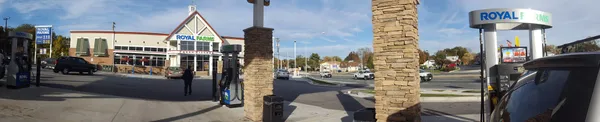
Prices ease at the pump after recent volatility
Average retail gasoline prices in the Baltimore area fell by 7 cents over the past week to $2.90 per gallon, a modest decline that follows a period of pronounced swings in regional fuel costs. The latest figure reflects a snapshot of posted prices at service stations and typical week-to-week movement tied to wholesale gasoline markets, local competition and seasonal demand.
In practical terms, a 7-cent decline translates to about $0.70 less for a 10-gallon fill-up and $1.05 less for a 15-gallon purchase. While the savings are incremental, the shift is notable for commuters and small businesses that track weekly changes closely.
How Baltimore compares within Maryland and the broader region
Baltimore’s average near $2.90 places the metro in the general range of statewide pricing seen this winter, when Maryland’s averages have hovered around the $3-per-gallon mark. Recent statewide pricing summaries have also shown differences among metros, with some parts of Western Maryland tending higher and areas closer to major corridors and higher station density often trending lower.
- Baltimore: $2.90 per gallon (down $0.07 week over week)
- Maryland statewide averages in recent weeks: roughly around $3.00 per gallon
What typically drives week-to-week changes
Retail gas prices are shaped primarily by the cost of crude oil and the wholesale price of gasoline, with additional components including refining margins, distribution and marketing, and federal and state taxes. Because stations buy fuel at different times and under different supply contracts, retail prices can lag wholesale moves by days to weeks, creating uneven changes across neighborhoods and corridors.
Seasonal patterns also matter. In mid-winter, gasoline demand is often softer than during spring and summer travel months, which can reduce upward pressure on prices absent supply disruptions. At the same time, regional market dynamics in the Mid-Atlantic—such as inventory levels, refinery utilization and transportation constraints—can cause sharper short-term movements than the national average.
Retail prices may fall even when drivers do not see identical drops at every station, as local competition and supply timing can widen price spreads across the same city.
What to watch next
Drivers looking for near-term direction typically monitor three factors: crude oil prices, wholesale gasoline costs, and any supply disruptions that affect East Coast refining or distribution. If demand remains seasonally muted and wholesale prices stay stable, Baltimore-area prices could continue to drift within a narrow band. However, a rebound in wholesale costs or a tightening of regional supply can reverse declines quickly.
For consumers, the most immediate way to benefit from weekly declines is comparison shopping across nearby stations, where price differences often exceed the size of the weekly average change.