Baltimore-area gasoline prices rose 55.5 cents in a week, reaching $3.49 per gallon
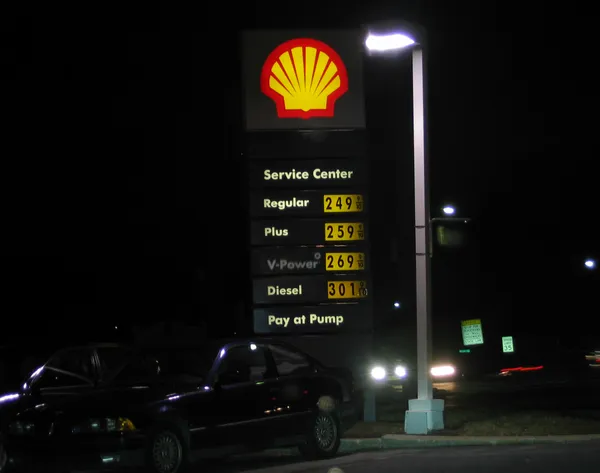
A sharp local increase mirrors broader turbulence in oil and refined-fuel markets
Average retail gasoline prices in the Baltimore area climbed by 55.5 cents over the past week to about $3.49 per gallon, a notable one-week move that places local drivers above recent levels seen across much of Maryland earlier this year. The jump has been observed across multiple station brands and corridors, with day-to-day volatility widening price differences between nearby retailers.
The Baltimore increase is unfolding amid a wider national upswing in pump prices. Over the first week of March 2026, national averages for regular gasoline moved higher as crude oil prices advanced and wholesale fuel costs followed, creating a fast pass-through to retail pricing in many U.S. regions.
Why prices can move quickly at the pump
Retail gasoline prices reflect several layers of cost that can change rapidly, especially when crude oil markets become unsettled. The largest input is typically the price of crude oil. Refineries then convert crude into gasoline and other fuels, and wholesale markets price those products based on supply, demand, inventories, and transportation constraints. Retailers add operating costs, taxes, and margins that vary by location.
- Crude oil price movements can lift wholesale gasoline costs within days.
- Seasonal fuel transitions can temporarily tighten supply as refineries adjust output specifications.
- Local competition and delivery schedules can cause wide spreads between stations, even within the same neighborhood.
What Baltimore drivers are seeing
The pace of the change has made the increase especially visible to commuters, delivery operators, and rideshare drivers who refuel frequently. For households, a 55.5-cent rise increases the cost of a 15-gallon fill-up by roughly $8 compared with the prior week, before considering any additional price movement. For drivers covering high weekly mileage, the added expense can accumulate quickly, particularly if prices remain elevated through the remainder of March.
Gas price averages can change faster than many consumer goods because gasoline is purchased and repriced frequently, and supply costs are linked to daily wholesale markets.
What to watch next
Near-term direction in Baltimore-area pump prices will depend on whether wholesale gasoline costs stabilize and how quickly retailers adjust to any changes. Additional volatility remains possible if crude prices continue to swing, if regional refinery utilization shifts, or if distribution bottlenecks emerge. Consumers typically see the fastest changes during periods of rapid wholesale price movement, with increases often reaching the pump sooner than decreases.
As the market adjusts, drivers may continue to see uneven pricing across Baltimore City and surrounding counties, reflecting differences in station supply timing, local competition, and pricing strategy.