Baltimore Board of Estimates approves $1.46 million contract expanding police license plate reader access through 2030
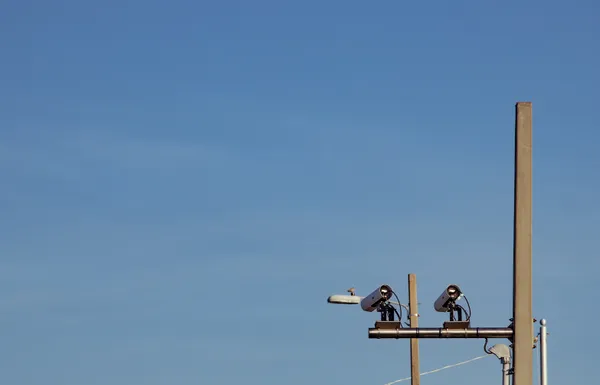
Baltimore approves expanded license plate reader access for police investigations
Baltimore’s Board of Estimates voted to approve a $1.46 million contract that expands the Baltimore Police Department’s ability to query license plate reader information and related records through a commercial platform. The contract, approved in early March, is scheduled to run through January 2030.
The agreement provides investigators access to a product marketed as a license plate reader capability that can connect plate “reads” with other records and generate historical location information. City documents describing the purchase state that the system can surface long-term activity and location history and can be used to identify associations, including the ability to connect vehicles that appear within a defined geographic proximity.
How the Board of Estimates voted
The Board of Estimates is Baltimore’s five-member body that approves major spending items. In the vote on the contract, three members voted in favor: Mayor Brandon Scott, City Solicitor Ebony Thompson, and Public Works Director Matthew Garbark. City Council President Zeke Cohen abstained, citing pending City Council legislation related to the issue. The deputy comptroller, serving on behalf of Comptroller Bill Henry, also abstained.
What police say the tool is for
Police leadership told the board the expanded capability would be used to develop investigative leads. The system is presented as a consolidated portal that can provide law enforcement access to multiple categories of information relevant to investigations, including vehicle-related data and other records that can be used to identify people, addresses, and phone numbers.
Baltimore Police already operates fixed and mobile license plate readers under an existing departmental policy. That policy states that access to license plate reader data requires a legitimate law enforcement purpose, that a scan “hit” alone does not establish probable cause, and that scanned license plate reader data is retained in the system for 18 months, with annual audits required.
Public concerns raised at the meeting
Residents and advocates who spoke at the Board of Estimates meeting opposed the contract, focusing on the breadth of historical location access and the potential for misuse. Speakers argued that long-term location histories can enable detailed tracking that goes beyond being observed in public, and they questioned whether sufficient safeguards and transparency are in place for a tool capable of compiling extensive movement histories.
Concerns raised also included the possibility that surveillance data could be used for purposes beyond Baltimore policing, including access by federal immigration enforcement, as well as the risk of misuse by individual officers for personal reasons.
Legal and policy context in Maryland
Maryland law regulates the operation of automatic license plate reader systems and restricts the use of captured plate data to legitimate law enforcement purposes. State law also requires agencies using these systems to adopt procedures governing access, training, and audits, and it establishes limits related to vendor access, data sales, and data uploads in certain circumstances.
- Contract approved: $1.46 million, effective through January 2030
- Existing BPD LPR policy: requires legitimate law enforcement purpose; 18-month retention; annual audits
- Key debate: investigative value versus privacy risk and oversight safeguards
At the board meeting, opponents argued that compiling years of location history creates surveillance capacity that requires stronger safeguards than conventional, short-term investigative queries.
The approval sets the stage for further debate at City Hall, as lawmakers consider whether additional local guardrails are needed to govern how expanded license plate reader access is used, audited, and disclosed to the public.