Baltimore City Council scrutinizes illegal smoke shop sales as lawmakers weigh zoning limits and enforcement gaps
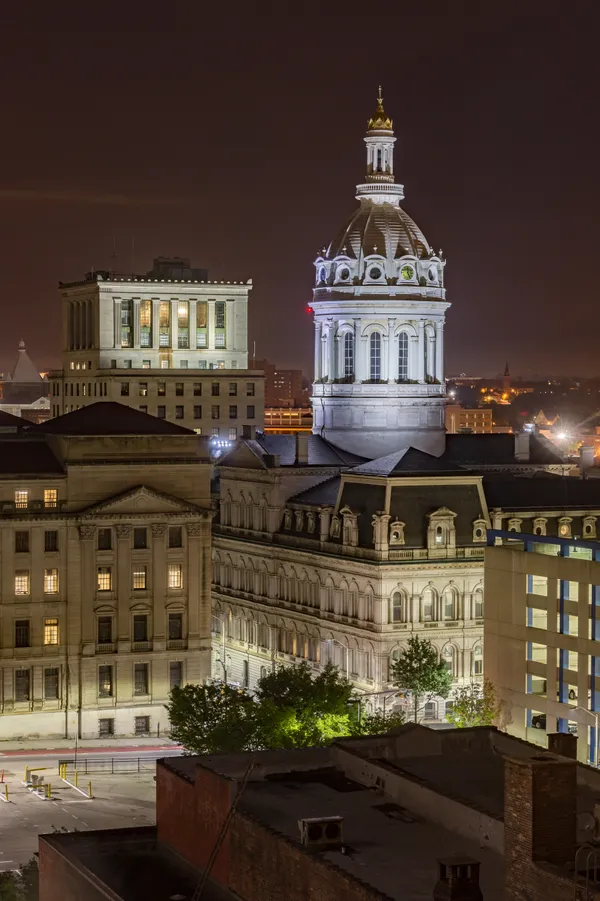
City lawmakers open new front on smoke shops as public safety concerns intersect with zoning and licensing
Baltimore City Council members are intensifying scrutiny of smoke shops amid reports of illegal sales and community complaints about the rapid growth of retailers marketing tobacco and cannabis-adjacent products. The issue has moved from neighborhood frustration to formal legislative action, with council members citing concerns about youth access, product safety, and uneven enforcement between licensed and unlicensed operators.
A three-part legislative package introduced in late 2025 framed the debate around where smoke shops can operate, how they present themselves to the public, and what the city knows about their concentration in particular corridors. One proposal would create a formal land-use definition for “smoke shop” tied to the share of a store’s floor space devoted to tobacco, vaping devices, or cannabis-related paraphernalia, and would require new distance buffers from schools, parks, recreation centers, and other smoke shops.
What the proposed rules would change
The zoning-focused measure would treat smoke shops as a distinct category requiring additional approval for placement in certain commercial and mixed-use areas. Separately, a lighting proposal would set limits on the brightness of exterior displays visible from the street, an issue cited by residents in neighborhoods where late-night signage is prominent. A third measure seeks a public hearing designed to map the scale of the retail footprint and examine impacts on youth and neighborhood safety.
- New definitions and zoning oversight for shops primarily selling tobacco, vape products, or cannabis-related paraphernalia
- Proposed buffer zones from schools, parks, and recreation centers, and minimum spacing between smoke shops
- Limits on the brightness of window and exterior lighting visible from public streets
- An informational hearing to review retailer concentration, enforcement practices, and potential health impacts
Enforcement questions sharpened by investigations and seizures
Enforcement has become a central question as police and regulatory agencies have pursued investigations tied to suspected illegal marijuana sales at retail locations. In one case made public in November 2025, Baltimore police reported that a months-long investigation—initiated after a service complaint—led to search and seizure warrants at two businesses, recovery of cash and packaged marijuana, and arrests.
At the state level, Maryland’s Alcohol, Tobacco, and Cannabis Commission has a formal role in tobacco licensing enforcement. A recent annual report covering July 1, 2023 through June 30, 2024 documented dozens of hearing referrals tied to underage tobacco sales enforcement, illustrating a system that relies on investigations, administrative processes, and case dispositions that can extend over time.
Existing age restrictions and the policy tradeoffs ahead
Baltimore already prohibits the sale of tobacco products and electronic smoking devices to individuals under 21. The emerging policy debate is whether additional zoning constraints and display rules can reduce youth exposure and deter illegal sales, while preserving lawful commerce for compliant businesses.
“Don’t want any of our children to die,” a council member said during discussion of illegal smoke shop sales, underscoring the public health framing that has accompanied the legislative push.
The next phase is procedural: committee hearings, testimony from city agencies involved in licensing, health, policing, and planning, and potential revisions to the bills before any final vote. The outcome will determine whether Baltimore’s approach centers on land-use controls, intensified enforcement, or a combination of both.