Baltimore County leaders warn of deteriorating roads as FY 2027 planning begins without tax increases
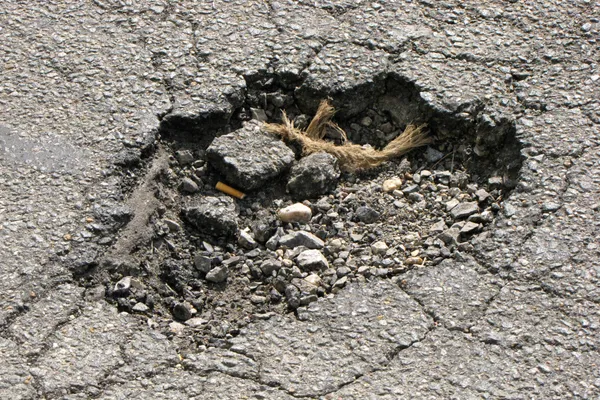
Road maintenance pressures surface ahead of Baltimore County’s next budget cycle
Baltimore County leaders are signaling that road conditions will remain a defining issue as planning begins for the county’s next spending plan, with elected officials again emphasizing that a tax increase is not expected to be part of the solution.
County Council Chair Mike Ertel said the county continues to face a squeeze between rising needs and limited available funding, describing widespread roadway deterioration across the jurisdiction. The road concerns have become a recurring point of discussion in council meetings and are expected to intensify as the county prepares a budget proposal in April for the fiscal year beginning July 2026.
Dundalk-area roads cited as a focal point for heavy truck impacts
Councilman Todd Crandell, who represents the Dundalk area, has argued that roads in his district are among the most severely worn in the county. He has attributed part of the damage to heavy truck traffic associated with major logistics and industrial activity at Tradepoint Atlantic, where companies including Amazon and FedEx have expanded operations.
Crandell has called for coordinated attention from county and state government, and potentially federal partners, to address the infrastructure strain. He has also raised the possibility of changing truck routing in certain areas—an approach that could involve restricting some routes and redirecting heavy vehicles to roads better suited to handle them.
Key Bridge collapse adds strain to local transportation networks
Transportation patterns around Dundalk have also been affected by the collapse of the Francis Scott Key Bridge, a disruption that has complicated regional traffic flows and placed additional pressure on surrounding roadways. Local officials have pointed to the resulting shifts in vehicle movement as another factor affecting already stressed infrastructure in parts of the county.
Competing demands extend beyond roads
While roads and sidewalks are a visible concern, county officials have said the broader fiscal challenge spans multiple fronts. Among the priorities expected to compete for limited resources are compensation increases for county employees, higher costs associated with school construction projects, and expanded needs tied to a growing number of residents experiencing poverty.
Against that backdrop, Ertel said a personal property tax increase is not being pursued, citing affordability pressures on residents. County Executive Kathy Klausmeier, who took office in January 2025, has also maintained that she does not plan to raise taxes.
State funding decisions expected to shape local options
County leaders are also looking to Annapolis for additional support, with more highway funding described as a priority for the 2026 Maryland General Assembly session. The county’s ability to accelerate repairs and resurfacing will likely depend in part on how state transportation funding and broader state budget decisions align with local infrastructure needs.
- Budget proposal for the next fiscal year is expected to be presented in April.
- Road conditions and truck impacts are central concerns, particularly in the Dundalk area.
- County leaders are reiterating a no-tax-increase stance while acknowledging broader cost pressures.
“Go to any part of the county and you can find some roads that are in really bad shape,” Ertel said during recent public discussion of infrastructure conditions.