Baltimore County schools begin Rising Together pilot to screen students for mental health risks and needs
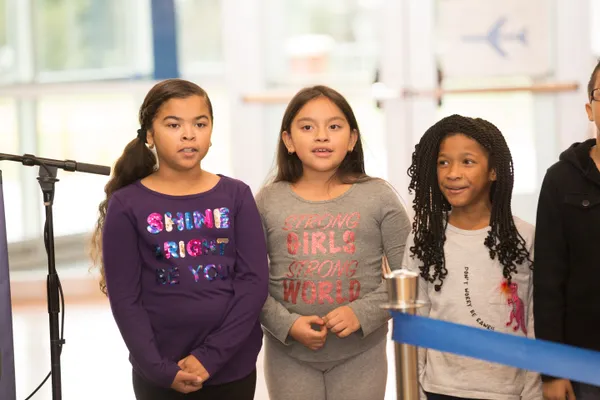
Baltimore County Public Schools launches a new student-wellness pilot focused on early identification
Baltimore County Public Schools (BCPS) has announced the launch of a pilot initiative called Rising Together, a school-based mental health screening program designed to help identify students who may need additional support. The pilot is structured as a universal screening approach intended to detect signs of concern earlier and connect students and families with appropriate follow-up services within the school system’s existing support framework.
The program is being introduced as youth mental health remains a central issue for school districts nationwide, with educators reporting sustained demand for counseling, crisis response, and preventative supports. In Baltimore County, the new pilot arrives alongside other district initiatives that have expanded access to student behavioral health services and referral pathways.
What the Rising Together pilot is designed to do
Rising Together is presented as a schoolwide screening model for secondary grades, with the aim of identifying potential indicators such as anxiety, depression, or suicide risk, as well as broader wellness needs that may affect learning and school engagement. Screening programs typically rely on standardized questionnaires and defined follow-up procedures, including parent or guardian notification, safety planning for urgent concerns, and referrals to school or community-based services when appropriate.
BCPS has not described the pilot as a diagnostic program. Instead, it is positioned as an early-alert process intended to help school teams decide which students may benefit from a prompt check-in, targeted interventions, or referral for a fuller clinical evaluation outside the school setting.
How the pilot fits into BCPS’ broader mental health strategy
The district has expanded access to behavioral health support through a mix of school-based services and external partnerships. BCPS previously announced a districtwide telehealth therapy option for high school students ages 13 and older, structured around access to licensed clinicians through a secure digital platform and requiring consent processes for participation.
BCPS has also participated in statewide efforts to increase school-linked behavioral health services. In recent years, Maryland has funded expanded K–12 behavioral health supports through large grant programs intended to bring community providers into schools and widen access for students who face barriers to care.
Key issues families often raise with screening programs
- Consent and notification: Whether screening is opt-in or opt-out, how families are informed, and what choices are available.
- Student privacy: How results are stored, who can view them, and what information is shared beyond the school team.
- Follow-up capacity: Whether staffing levels and community referrals can meet increased identification of student needs.
- Emergency protocols: How schools respond when screening indicates a student may be at immediate risk.
School-based screening programs are designed to identify potential concerns early and guide timely support, but their impact depends heavily on clear consent practices and reliable follow-up services.
What comes next
BCPS has described Rising Together as a pilot, signaling that implementation details, participation levels, and follow-up outcomes will be assessed before any broader rollout. Families can expect additional school-level communications explaining eligibility, consent procedures, and what happens after a screening is completed.
The pilot will be closely watched as districts continue weighing how to balance early identification with privacy protections and the practical realities of delivering timely support at scale.