Baltimore County Water Service Disruptions Persist Three Days After 2026 Winter Storm, As Cold Strains Infrastructure
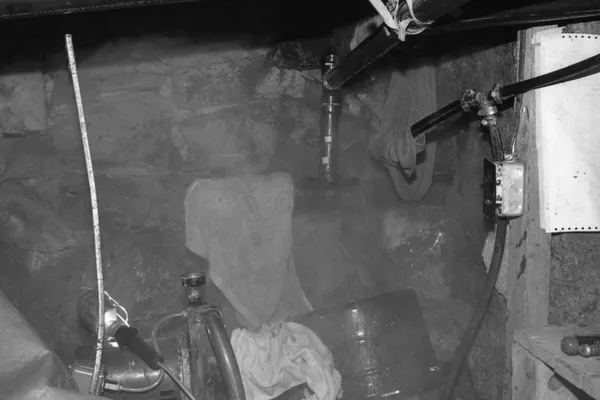
Households report prolonged loss of water as temperatures remain dangerously low
Three days after a major winter storm moved through the Baltimore region, some Baltimore County residents were still reporting a basic, high-impact disruption: no running water at home. The complaints are emerging as local and regional agencies warn that extreme cold increases the likelihood of frozen pipes, water main breaks and pressure problems across aging distribution networks.
In the Baltimore area, sustained below-freezing conditions can affect both public infrastructure and private plumbing. Water service can be interrupted by a main break, by pressure losses tied to system stress, or by a frozen service line or interior pipe—each requiring a different response. That distinction matters because responsibility for repairs can vary depending on where the failure occurs.
What public agencies say about responsibility and emergency reporting
Baltimore’s public works guidance for winter emergencies emphasizes that the public water utility typically maintains water lines up to the meter, while the line from the meter into a home is generally the property owner’s responsibility. For residents served through the Baltimore system in Baltimore County, emergency calls are directed to the county’s designated response number rather than the city’s 311 line.
County emergency management guidance also frames water outages as a common winter emergency driven by breaks or pumping failures and urges residents and businesses to plan to be without service for up to three days—an estimate frequently used for household preparedness planning.
Why winter storms trigger outages, even after snowfall ends
The storm’s most visible effects—snow and ice on roads—can fade faster than the underlying risk to water and wastewater infrastructure. Cold snaps can accelerate failures when water in soil and pipe bedding freezes and expands, and when temperature swings increase mechanical stress. The same cold can freeze household pipes, cutting off water even when the street main remains intact.
Regional utilities outside Baltimore have issued conservation and preparedness alerts during the same cold period, underscoring that systemwide conditions can deteriorate quickly as leaks and breaks multiply and repair work becomes more hazardous and slower in icy streets.
Practical steps residents can take while outages persist
- Confirm whether neighbors on the same block have water; this helps distinguish a localized plumbing freeze from a broader main or pressure issue.
- If no water is available, report it promptly through the appropriate emergency line for your jurisdiction and service area.
- If pipes may be frozen, open cabinet doors near plumbing, apply gentle heat with a hair dryer (not an open flame), and locate the home’s shutoff valve in case a thawed pipe bursts.
- Keep bottled water for drinking and basic hygiene; separate water for flushing can reduce household strain during longer disruptions.
Prolonged cold can prolong water interruptions: service may be restored in one area while new breaks or freezes emerge elsewhere.
As temperatures remain low, agencies continue to advise residents to prepare for additional disruptions and to prioritize safety when attempting any in-home thawing or temporary fixes.