Baltimore DPW launches OOPS tag recycling notices to curb contamination and protect processing capacity
A new curbside feedback tool aimed at reducing rejected loads
Baltimore’s Department of Public Works has launched an “OOPS Tag” initiative designed to cut contamination in the city’s single-stream recycling program and reduce the volume of material that cannot be processed. The program adds an on-the-spot notice to a household’s recycling cart when collectors find items that do not belong in curbside recycling.
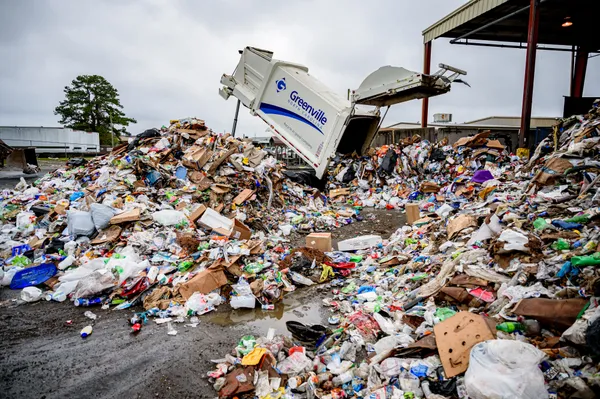
City recycling is collected in a single-stream system, meaning paper, plastic, glass, and metal are placed together in the same bin and then separated later. That approach depends on relatively clean input. When non-recyclable items or food-soiled materials are mixed in, recyclables can be degraded or rejected, creating additional handling and disposal costs.
How the OOPS tag program works
Under the initiative, DPW crews attach an “OOPS” tag to recycling bins that contain contaminants. The tag is intended to identify what went wrong and provide guidance for correct sorting in future set-outs.
Residents who receive an OOPS tag are asked to remove the non-recyclable item(s) before the next scheduled collection. The city’s stated goal is to change behavior through repeated, specific feedback at the point where mistakes occur—at the curb—rather than relying solely on general public reminders.
What contamination looks like in Baltimore’s recycling stream
City officials and waste administrators have described contamination as a primary driver of preventable disposal within the recycling stream. Contaminants can ruin otherwise recyclable paper and cardboard and can also interfere with processing operations.
- Commonly cited contaminants include plastic bags and packaging film, clothing and other textiles, batteries, and construction debris.
- Tanglers such as wires, cords, and hoses can wrap around sorting equipment, slowing processing and increasing downtime.
- Food residue is a frequent problem; soiled paper and cardboard, including items like greasy pizza boxes, are often not suitable for recycling in curbside collection.
DPW has also emphasized that bagging recyclables can lead to rejection because the bag itself is not accepted as a recyclable item in typical curbside systems, even when it contains recyclable materials.
What residents can recycle curbside—and what may require drop-off
DPW’s curbside guidance generally focuses on clean, empty, and dry recyclables, including paper and cardboard, metal cans, plastic containers, and glass bottles and jars. The city also operates residential recycling centers where additional items may be accepted outside the curbside stream, including certain bulk materials and specialized categories such as electronics.
The OOPS tag program is structured as an education-first approach: identify the specific contaminant found in a cart and prompt residents to correct it before the next pickup.
What success would change operationally
If contamination declines, the city could see fewer rejected loads and less time spent pulling out non-recyclables after collection. DPW has framed the initiative as a way to protect processing capacity, reduce avoidable costs associated with disposal, and improve the overall effectiveness of Baltimore’s recycling system.