Baltimore faces extreme cold: practical steps to prevent hypothermia, frostbite, fires, and carbon monoxide poisoning
Code Blue conditions raise health and safety risks across Baltimore
Baltimore City entered a period of heightened cold-weather response with a Code Blue Extreme Cold Alert in effect from Monday evening, January 19, through Wednesday morning, January 21, 2026. The alert was issued as wind chills were forecast to drop into the teens and single digits. City guidance defines Code Blue conditions as periods when forecast temperatures, including wind chill, are expected to fall below 13 degrees Fahrenheit or when weather creates a significant health risk.
City officials have emphasized that prolonged exposure can be life-threatening, particularly for people without reliable heat or shelter and for those at higher medical risk, including infants, older adults, and residents with chronic health conditions. The Baltimore City Office of the Chief Medical Examiner has reported five cold-related deaths in the city so far this Code Blue season.
How the city response works during a Code Blue alert
During Code Blue activations, city agencies coordinate services intended to reduce exposure and prevent injuries. The Mayor’s Office of Homeless Services expands emergency shelter options for individuals, couples, and families through the city’s winter shelter plan. Residents seeking shelter can use the Baltimore City Shelter Hotline at 443-984-9540. For service referrals and information, residents can call 311 or 211.
What to watch for: early signs of dangerous cold injury
Cold-related illness can develop faster than many people expect, particularly in windy conditions. Health and safety guidance identifies hypothermia as a medical emergency that occurs when body temperature falls below 95°F. Warning signs in adults include uncontrolled shivering, exhaustion, confusion, slurred speech, and loss of coordination.
Frostbite is a freezing injury that typically affects fingers, toes, nose, ears, cheeks, and chin. Signs include numbness, a white or grayish-yellow patch of skin, and skin that feels unusually firm or waxy. Severe frostbite can result in permanent tissue damage.
Practical steps that reduce risk outdoors and at home
- Dress in multiple loose-fitting layers, cover the head and ears, and keep skin as covered as possible when outside.
- Limit time outdoors, avoid wind exposure when possible, and change out of wet clothing promptly.
- Drink fluids regularly; avoid alcohol, which can increase heat loss and impair judgment.
- Walk slowly on icy surfaces to reduce fall injuries, particularly near steps and curbs.
- Check on neighbors and relatives who may be isolated or medically vulnerable.
Heating safety: preventing fires and carbon monoxide poisoning
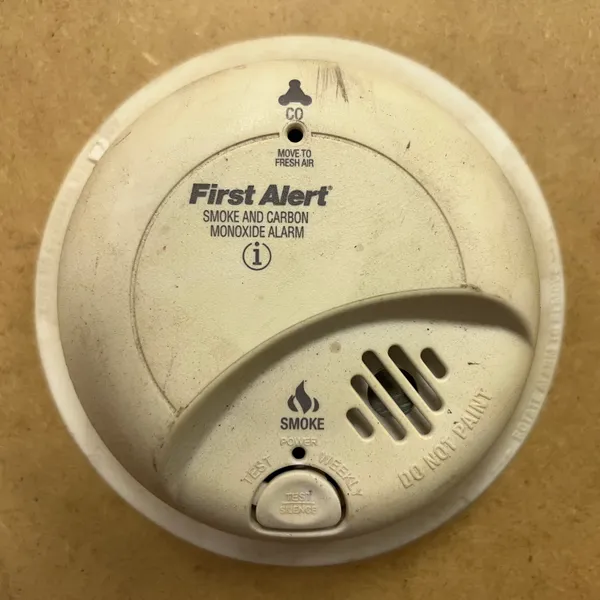
City safety guidance urges residents using supplemental heat to keep space heaters and open flames away from curtains, furniture, and other flammable materials. Officials also advise checking that carbon monoxide detectors are working. Unsafe indoor heating practices—such as using generators or stoves for heat—can create deadly carbon monoxide risks. Running a car in an enclosed space, such as a garage, can also quickly lead to dangerous carbon monoxide buildup.
If hypothermia is suspected—especially confusion, slurred speech, or reduced consciousness—treat it as an emergency and seek immediate medical care.
Support for heating and winterization
For residents struggling with heating costs, city information lines can direct callers to energy assistance and weatherization resources. Energy assistance information is available at 410-396-5555. The Maryland Access Point line at 410-396-CARE (2273) can help older residents and caregivers with application support. Weatherization eligibility information is available at 410-396-3023.