Baltimore Mayor Brandon Scott urges residents to report potholes through 311 as winter damage accelerates
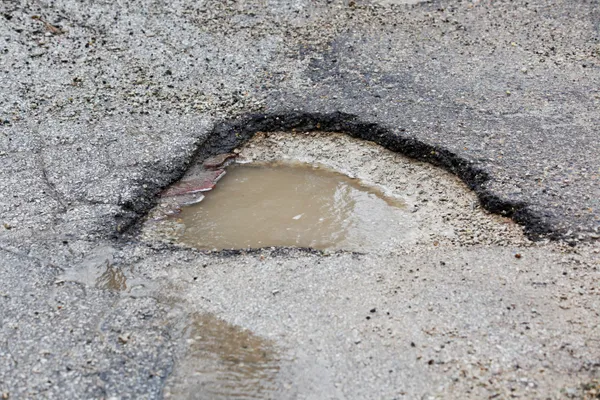
Freeze-thaw cycles and road treatment set the stage for rapid pavement failures
Baltimore Mayor Brandon Scott is urging residents to report potholes through the city’s 311 system as winter conditions give way to a surge in roadway damage. The warning comes as repeated freezing and thawing—combined with heavy road treatment during snow and ice events—creates conditions that can quickly break down asphalt surfaces and expose existing cracks.
City leaders have framed the reporting request as both a safety and accountability measure: 311 requests create trackable work orders that can be routed to the appropriate crews, prioritized, and monitored for completion. The mayor has emphasized that while social media posts may draw attention, a 311 request is the mechanism that enables the city to assign and track repairs.
What reporting changes for response and repair timelines
Baltimore’s transportation agency directs residents to use 311 to report potholes on public streets and alleys. The agency’s stated service goal is to repair most reported potholes within 48 hours, though winter repairs may be temporary until permanent paving and more durable fixes can be completed in spring conditions.
The winter approach reflects practical limits: cold temperatures and moisture can reduce the effectiveness and longevity of asphalt patches. As a result, crews may return to the same area later for permanent repairs when weather and materials allow.
How to file a useful 311 pothole request
Residents can submit reports by calling 311 within Baltimore City, using the online 311 portal, or submitting a request through the city’s mobile tools. When a pothole is reported, providing clear location details can speed assessment and dispatch.
- Give an exact address when possible or identify the nearest intersection.
- Note the lane position (e.g., right lane, near curb, at bus stop) and whether multiple potholes are clustered.
- Describe urgency factors such as sharp edges, depth, or proximity to crosswalks and schools.
311 as a broader winter operations channel
The city has used 311 as a central intake point for a range of non-emergency issues during winter storms, including snow and ice conditions on streets and sidewalks, downed branches, streetlight problems, and other service needs. During weather emergencies, the city has also extended 311 call center hours to match emergency operations schedules, while noting that higher call volumes can increase wait times.
For residents, the key takeaway is procedural: reporting potholes through 311 creates a formal service request that can be tracked, assigned, and closed—supporting faster triage as pothole season intensifies.
As Baltimore transitions from storm response to post-storm road maintenance, city officials are signaling that the volume of reports—and the quality of location details—will play a major role in how quickly crews can identify and address the worst roadway hazards.