Baltimore mayor highlights falling homicides and fewer vacant homes while challenging Trump’s ‘hellhole’ portrayal
Baltimore’s public safety gains collide with national political rhetoric
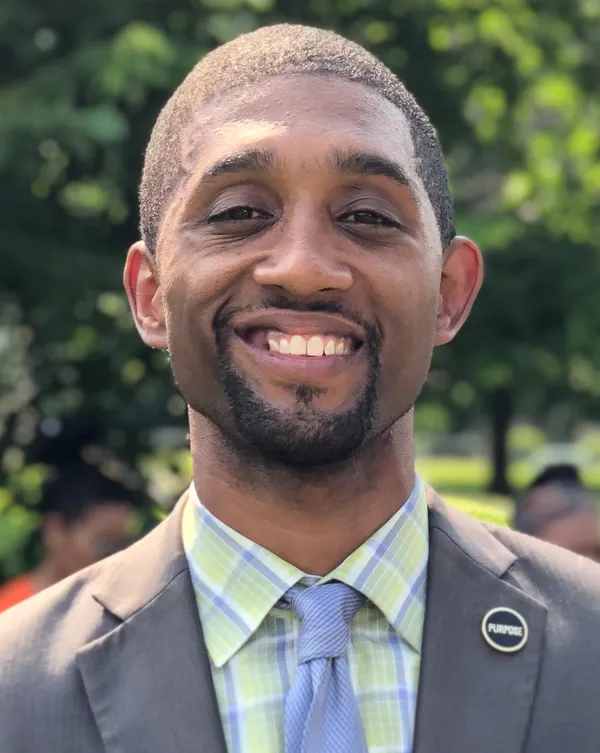
Baltimore Mayor Brandon M. Scott is publicly framing the city’s recent crime reductions and neighborhood reinvestment as evidence of a turnaround, pushing back against President Donald Trump’s recurring characterization of Baltimore as unsafe and deteriorating.
The dispute has played out as Baltimore releases year-end and in-year crime figures showing sharp declines in lethal violence, even as the city continues to grapple with visible blight in some corridors, including thousands of boarded or distressed row houses.
What the city’s latest homicide numbers show
By the end of 2025, Baltimore recorded 133 homicides, a level described by local reporting and city leaders as the city’s lowest in nearly 50 years. The 2025 total also represented a substantial drop from 2024, when the city recorded 194 homicides.
City updates during 2025 also documented declines earlier in the year. In April 2025, officials said the city recorded five homicides that month, described as the fewest ever recorded in a single month. In an October 2025 update, the city reported that homicides and non-fatal shootings had fallen sharply compared with prior-year benchmarks, with additional drops noted in robberies, carjackings, auto thefts and aggravated assaults.
- 2025 homicides: 133
- 2024 homicides: 194
- City statements during 2025 cited steep year-over-year decreases in non-fatal shootings and several major crime categories.
The strategy emphasized by City Hall and police leadership
Scott has tied the city’s violence reduction to a multi-agency approach that combines targeted enforcement with outreach and services for individuals assessed to be at highest risk of being involved in shootings. City communications have repeatedly highlighted a Group Violence Reduction Strategy framework that pairs service referrals and life-coaching supports with accountability measures.
Separately, the Baltimore Police Department has described multi-year efforts to modernize operations, expand proactive policing measures, and strengthen internal accountability while operating under a federal consent decree. Earlier departmental reporting cited reductions in violent and property crime since 2018 and described decreases in shootings and homicides during portions of 2022 and 2023.
Vacant housing and population: measurable movement, ongoing visibility
While blight remains a defining challenge in parts of Baltimore, the city has pointed to a decline in vacant buildings and a long-term redevelopment plan aimed at addressing boarded properties block by block. The mayor has also pointed to the city’s first population increase in a decade during the July 2023 to July 2024 period, when estimates showed Baltimore added 754 residents, bringing the city to 568,271.
Trump’s comments and the political backdrop
Trump has repeatedly used Baltimore as an example in national crime rhetoric. In August 2025, he said he was not willing to walk the city’s streets and described Baltimore as a “hellhole.” He has also raised the idea of deploying the National Guard as part of broader discussions about federal responses to urban crime.
“Baltimore’s responsible for Baltimore,” Scott said in response to questions about Trump’s remarks, while arguing the city has its own strategy.
The contrast between the city’s improving crime indicators and the continued presence of vacant structures underscores the challenge for local leaders: sustaining multi-year reductions in violence while accelerating housing stabilization and neighborhood investment in areas still marked by abandonment.