Baltimore Museum of Industry opens Key Bridge exhibit tracing construction, workers’ stories, and civic aftermath
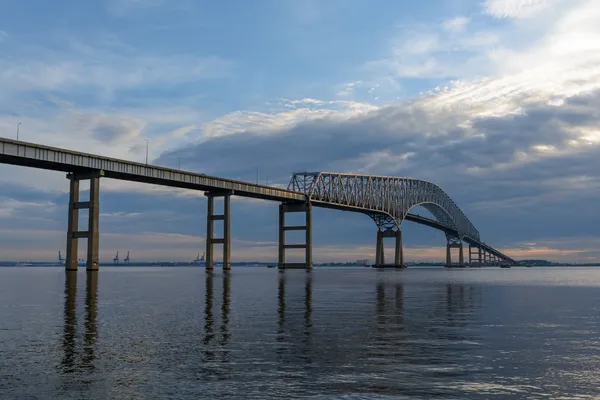
A new exhibit focuses on the bridge’s origins and the people who built it
The Baltimore Museum of Industry has debuted a new exhibition centered on the Francis Scott Key Bridge, examining how the crossing was conceived, debated, designed, and constructed, while foregrounding the workers and specialized trades involved in building and maintaining the structure. The exhibition is scheduled to remain on view through September 2026 as part of a broader museum initiative documenting the bridge’s significance to the region.
The Key Bridge opened in March 1977 as the final link in the Baltimore Beltway (Interstate 695), providing an outer harbor crossing that became integral to local commuting patterns and commercial movement around the Port of Baltimore. The museum’s exhibit positions the bridge within that industrial and transportation history, linking infrastructure decisions to the labor systems and engineering practices that made the project possible.
Part of a multi-year collecting and oral history effort
The exhibition is a component of “Echoes from the Key Bridge,” a multi-year initiative built around preservation and public interpretation following the bridge’s collapse in March 2024. The museum has been conducting and archiving oral histories with people directly affected, including interviews recorded in both English and Spanish, and has been collecting documents, images, and objects tied to the event and its ripple effects across port communities.
In parallel, the museum has outlined plans for an outdoor installation using salvaged steel from the bridge, intended as a publicly accessible, year-round feature on its waterfront campus. The museum has also preserved elements of a community memorial mural, using digital documentation methods to stabilize and retain parts of the artwork for long-term stewardship.
Why the Key Bridge story reaches beyond transportation
The museum’s approach reflects an effort to treat the bridge as both a major engineering project and a workplace ecosystem, with attention to the trades, contracting structures, and maintenance labor required to keep a large-scale crossing operational. The collapse in 2024 placed renewed emphasis on the bridge’s role in regional logistics and the daily functioning of the Port of Baltimore, while accelerating local interest in preserving records of work performed on and around the structure.
Exhibition timeline: On view from March through September 2026.
Scope: Planning, design, construction, and worker stories tied to the original bridge.
Preservation work: Oral histories, community collecting, and plans for a salvaged-steel installation.
The exhibit is presented within a wider museum framework that pairs historical interpretation with active collecting, with the goal of creating a lasting public record of the bridge’s construction, collapse, and continuing significance to Baltimore’s industrial landscape.