Baltimore officials and advocates seek clarity as immigration enforcement signals suggest a potential ICE expansion
Uncertainty grows as enforcement activity and detention planning draw scrutiny
Baltimore city officials, immigrant advocates, and legal service providers are seeking clearer information about whether federal immigration authorities are preparing a significant increase in operations in the region. The questions come amid reports of stepped-up immigration enforcement activity across Maryland and renewed attention to how detainees are processed, held, and transferred through the federal system.
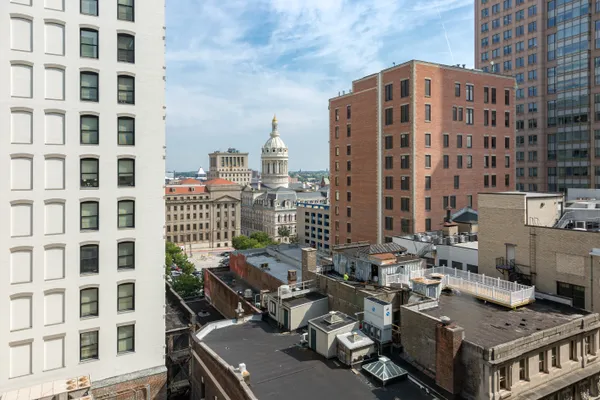
In Baltimore, the local Immigration and Customs Enforcement (ICE) field office is located downtown at 31 Hopkins Plaza. While the federal government does not routinely disclose operational details in advance, community groups say the lack of transparency has made it difficult to separate rumor from verifiable changes on the ground, including the scale of arrests and the resources being positioned to support them.
Detention capacity and a warehouse purchase near Hagerstown
A major focal point in Maryland has been a large industrial warehouse in the Hagerstown area that federal authorities purchased as part of a broader effort to expand detention and processing capacity. Local leaders in Washington County have raised concerns about how quickly such facilities could be made operational and what role they could play in moving detainees through the immigration system.
National reporting in late January 2026 described plans to convert dozens of warehouses into detention facilities across the United States, including a site near Hagerstown, potentially creating a much larger network for holding and transferring people in immigration custody.
Conditions inside Baltimore holding rooms prompt renewed oversight demands
The debate has also been shaped by recurring concerns about conditions at holding spaces connected to the Baltimore ICE field office. Attorneys and advocates have said people are sometimes kept in holding rooms longer than intended, complicating access to counsel and raising questions about basic conditions such as hygiene, medical access, and sleeping arrangements.
In early 2025, advocates demonstrated in Baltimore over what they described as overcrowding and inadequate conditions at the facility. More recently, additional reporting in January 2026 documented allegations that a portion of people booked into Baltimore holding rooms exceeded federally referenced time limits before being transferred elsewhere, as well as challenges created by frequent interstate transfers.
As public concern has intensified, local officials and advocates have emphasized the need for reliable information about enforcement activity and detention capacity in Maryland.
Protests and political response in Baltimore
Public demonstrations in Baltimore have continued alongside enforcement concerns. In June 2025, immigrant advocates cited multiple detentions at everyday locations such as grocery stores and home improvement retail sites and organized a march in Southeast Baltimore. Other protests in 2025 centered on opposition to ICE operations and calls for stronger protections for immigrant communities.
For now, the central question remains unresolved: whether Baltimore is facing a discrete, large-scale enforcement surge or a more incremental expansion enabled by additional staffing and increased detention and transport capacity. Local organizations say their immediate priority is preparedness—ensuring residents know their rights and that families can access legal support quickly if arrests increase.
- Baltimore officials and advocates are seeking clarity on any planned increase in federal immigration operations.
- Detention and processing capacity, including a warehouse facility near Hagerstown, has become a key point of concern.
- Holding conditions and detainee transfer patterns in and out of Baltimore remain central to oversight debates.