Baltimore permit and occupancy backlogs leave vacant-home rehabilitation projects stalled for years, raising costs and risks
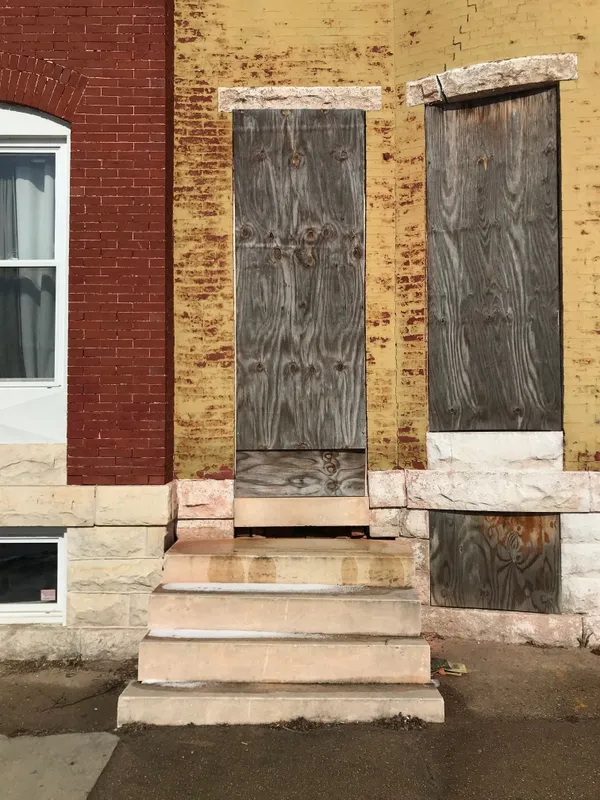
A redevelopment bottleneck inside the vacant-housing pipeline
Baltimore’s effort to return thousands of empty rowhouses to productive use depends on a predictable sequence: acquisition, plans, permits, construction inspections, and a final use-and-occupancy (U&O) clearance that makes a home legally habitable. In practice, that pipeline has increasingly been disrupted by prolonged permitting and approval timelines that can leave rehabilitation projects stalled for years, stretching budgets and prolonging neighborhood blight.
Developers and small contractors working in Baltimore have described routine permit steps that once took days or weeks now lasting months, with multiple permits—building, electrical, plumbing and related approvals—needing to move in coordination to keep a project on schedule. When one part of the chain slows, the entire project can remain in limbo, increasing carrying costs and delaying re-occupancy.
When a rehab is finished but a home still isn’t legal to live in
The delays extend beyond construction start dates. A recurring point of failure is the U&O process, which is required for lawful occupancy. City officials and elected leaders have highlighted cases in which buyers moved into homes marketed as renovated, only to later learn the property still carried a vacant-building status because the necessary permits or occupancy approvals were missing or incomplete.
That gap can create both safety and financial exposure. If work was performed outside the scope of permits, or without permits, a buyer can inherit the burden of bringing the property into compliance. Separately, city policy has moved toward stronger financial incentives to clear vacant-building designations, including higher tax consequences for properties that remain officially classified as vacant.
Policy response: accelerating reviews while tightening enforcement
City and state initiatives in recent years have framed permitting reform as central to the vacant-housing strategy. A state-backed framework for Baltimore’s vacant-property reinvestment work has specifically identified permitting—building and use permits—as a key step that must function efficiently for a renovated structure to be both safe and legal to occupy, and has cited ongoing reforms aimed at addressing delays and bottlenecks.
At the same time, enforcement has tightened. City rules require disclosures tied to vacant-property notice status in sales, and public messaging has emphasized that buyers should confirm whether a property carries a vacant-building notice before purchase. The combined approach—faster processing on one side, stricter compliance on the other—reflects an effort to prevent unpermitted work from moving through the market while also shortening timelines for lawful rehabilitation.
Why permitting delays matter to neighborhoods
Extended permit timelines can amplify the very conditions Baltimore’s vacant-housing strategy is designed to resolve. Delays keep structures unoccupied longer, increasing the window for deterioration, illegal entry, and quality-of-life impacts on surrounding residents. They also alter project feasibility: longer timelines can raise financing costs, extend insurance and security expenses, and complicate contractor scheduling—factors that disproportionately affect smaller local rehabilitators with limited access to flexible capital.
- Permitting and inspection steps must align across multiple trades to maintain construction schedules.
- U&O clearance is a decisive endpoint; without it, a renovated home may still be unlawful to occupy.
- Stronger tax and enforcement measures increase pressure to resolve vacant status, but can also expose households who unknowingly buy into unresolved permit issues.
Permitting and occupancy approvals are not administrative formalities in Baltimore’s vacant-home effort; they are the gatekeeping mechanism that determines when investment becomes lawful housing.
For a city seeking to convert vacant properties into stable housing at scale, the effectiveness of permitting reform and the reliability of occupancy approvals will remain a measurable determinant of whether rehabilitation timelines compress—or continue to stretch into multi-year delays.