Baltimore police arrest several juveniles after multiple downtown fights, renewing focus on youth crowd management strategies
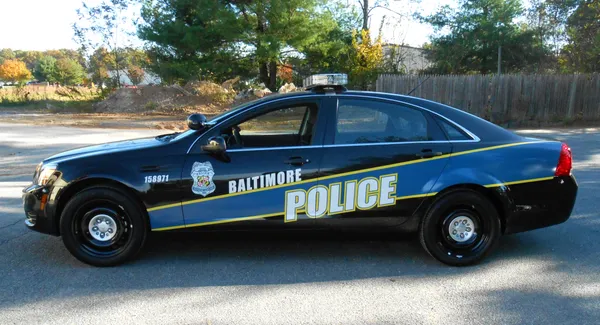
Arrests followed reports of several fights as youth gatherings concentrated near major downtown destinations
Baltimore police arrested several juveniles after officers responded to multiple fights in the downtown area, an incident that again highlighted how quickly large youth gatherings can form and escalate into disorder in highly trafficked public spaces. The arrests came after officers reported receiving calls about fights breaking out in and around the Inner Harbor area as crowds of young people moved through downtown corridors.
Police activity during the incident was concentrated near well-known visitor and entertainment nodes, where officers historically have been deployed in higher numbers during warm-weather weekends, holidays, and other periods that draw larger crowds. In similar downtown disturbances in recent years, police have reported using additional units to disperse crowds and separate groups as reports of fights spread across multiple blocks.
What is known so far about the incident
- Police reported multiple fights involving juveniles in downtown Baltimore, prompting a response that resulted in arrests.
- The arrests involved juveniles; in keeping with standard juvenile-justice practice, police typically release limited identifying details publicly.
- Downtown disturbances of this type often involve rapidly shifting locations as groups move between waterfront walkways, transit stops, and commercial streets.
Context: recurring challenges around large youth gatherings
Downtown Baltimore has periodically experienced large youth gatherings that generate a high volume of calls for service within a short timeframe. When fights occur in quick succession, police commanders often face competing priorities: preventing injuries, maintaining access for pedestrians and drivers, and ensuring that arrests—when made—are supported by clear probable cause and appropriate handling for minors.
Separately, youth-crowd management has become a more prominent topic across the Baltimore region, with recent cases in nearby commercial centers leading law enforcement and local officials to discuss tactics aimed at preventing “planned meetups” organized through social media. Those discussions have included stepped-up staffing at peak times, coordinated security planning with property owners, and clearer rules for addressing disorderly conduct and trespassing.
What happens next
After juvenile arrests, cases typically move through Maryland’s juvenile system, which emphasizes rehabilitation while still allowing detention or court-ordered supervision in more serious circumstances. Outcomes can range from release to guardians with conditions to formal petitions, diversion programming, or placement decisions by the court, depending on allegations, prior history, and assessed risk.
In prior incidents involving downtown fights and large youth crowds, police have emphasized separation of groups, rapid reinforcement, and targeted arrests where specific conduct could be documented.
City officials and public-safety leaders are expected to continue reviewing how to prevent repeat incidents as downtown foot traffic increases seasonally. Key questions include how to deter violence without over-policing, how to improve supervision and safe programming for teens, and how to ensure that public spaces remain accessible and secure for residents, workers, and visitors.
Baltimore police have indicated that investigations in cases involving youth disturbances may continue after the initial response, including identification of additional participants through video, witness accounts, and other evidence.