Baltimore Region Faces High-Impact Snow and Ice as WBAL-TV 11 Expands Live Storm Coverage
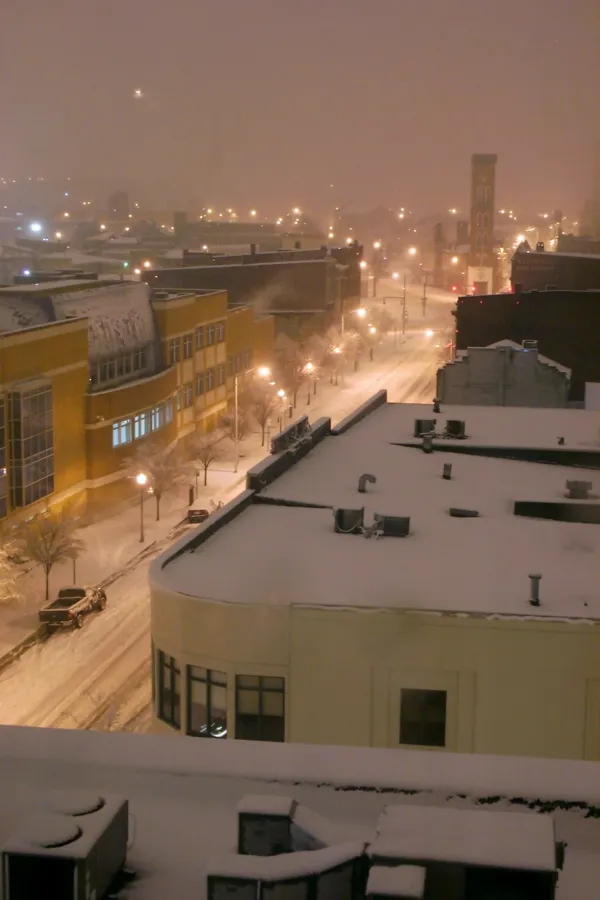
A fast-changing winter storm reaches peak conditions Sunday morning
A high-impact winter storm moved across central Maryland overnight into Sunday, January 25, 2026, bringing periods of heavy snow to the Baltimore region before an expected transition to sleet and freezing rain later in the day. Live, continuous coverage was expanded Sunday morning as snowfall rates intensified and road conditions deteriorated across the metro area.
Forecast guidance for the Baltimore area indicated sustained heavy snow during the early morning hours, with rates capable of producing rapid accumulation. By mid-morning, precipitation was expected to mix with sleet from south to north, followed by additional icing concerns as temperatures rise but remain near or below freezing in many locations.
Expected accumulations and timing for the Baltimore area
Storm projections for much of the Baltimore metro called for widespread snow totals in the 6- to 10-inch range, with higher amounts possible in northern and northwestern suburbs where snow may persist longer. In addition to snow, sleet accumulation was projected to contribute to overall totals, while freezing rain was expected to add a thin glaze in some areas—an important factor for travel safety and potential utility impacts.
- Morning: heavy snow with temperatures in the teens and lower 20s.
- Late morning into afternoon: snow mixing with sleet, then pockets of freezing rain.
- Evening: precipitation tapering, but surfaces remaining hazardous as temperatures stay below freezing.
Transportation impacts: roads, transit service reductions, and travel disruptions
Road crews across Maryland entered the storm after pretreatment operations intended to limit bonding of snow and ice to pavement. Even with pretreatment, heavy snowfall rates and the transition to sleet and freezing rain can quickly overwhelm road conditions, particularly on untreated neighborhood streets, bridges, and elevated ramps.
Transit agencies also moved to modified operations. Service reductions were announced for local bus routes, commuter services, and regional rail, with select rail service suspended. Riders were advised to monitor real-time service updates due to the likelihood of further changes as conditions evolve.
Power outage risk increases as snow transitions to ice
The change from snow to sleet and freezing rain can significantly increase the risk of tree damage and downed lines by adding weight to branches and infrastructure already burdened by snow accumulation. Utilities urged customers to report outages through official channels and to avoid downed lines under all circumstances.
Public safety guidance remained consistent throughout the morning: limit travel where possible, anticipate rapidly changing conditions, and prepare for extended periods of below-freezing temperatures that can keep roads and sidewalks icy well after precipitation ends.
How to follow developing conditions
Live storm coverage and real-time updates were made available through broadcast and digital platforms, including interactive tools for tracking radar, outages, and transportation impacts. Officials emphasized monitoring alerts throughout the day as the precipitation type shifts and conditions change neighborhood by neighborhood.