Baltimore residents urge action on homeless encampments, trash buildup, and the lack of reliable public restrooms
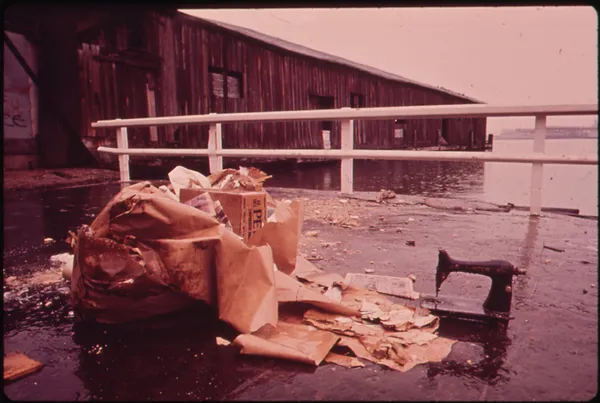
Neighborhood complaints converge on sanitation, safety, and basic services
Across several Baltimore neighborhoods, residents have renewed calls for a more predictable city response to homeless encampments, chronic trash accumulation and illegal dumping, and the limited availability of public bathrooms in heavily used corridors. The concerns span quality-of-life impacts—such as litter, discarded needles and human waste—along with public health and environmental worries, including debris reaching waterways and storm drain systems.
At the center of the debate is how Baltimore should balance sanitation enforcement and public space management with outreach and housing services for people living outdoors. Residents have asked for clearer timelines for cleanups, regular trash removal at known encampments, and restroom access that reduces unsanitary conditions in parks, sidewalks and transit-adjacent areas.
How Baltimore’s encampment protocol works—and where it creates friction
Baltimore’s encampment response is guided by an Encampment Resolution Protocol updated in 2024. The framework describes a multi-agency approach that can include outreach, service offers, and coordinated cleanup operations. The protocol also outlines “trash-only” cleanups in certain situations, with notice periods described for planned actions, and procedures for handling belongings when a resolution is scheduled.
Residents who want faster action frequently cite recurring trash and hazardous waste near encampments, while advocates and service providers often focus on the destabilizing effects of repeated displacement. This tension is amplified when cleanups occur without a long-term placement option, or when encampments re-form after removals.
Trash, dumping, and the limits of complaint-driven enforcement
Separately from encampments, illegal dumping and persistent trash piles have become flashpoints in some locations, with residents documenting repeated complaints and slow remediation on city-controlled properties. Recent reporting on a long-running trash pile near the Jones Falls described months of service requests and closed-out tickets before the city signaled a coordinated removal plan involving multiple departments.
City service reporting still relies heavily on 311 requests for non-emergency issues such as missed trash pickup, dumping, and street cleaning. Residents and community groups say the system can work best when requests are paired with clear ownership by agencies and follow-through on repeat problem sites.
Public bathrooms emerge as a practical infrastructure gap
The lack of dependable public restrooms has increasingly been framed as an operational issue affecting downtown vitality and sanitation outcomes. Downtown planning materials in Baltimore have described efforts to expand public-space amenities, including standalone public restrooms supported through grant funding.
Other U.S. cities have used portable and “smart” restroom pilots to fill gaps in high-traffic areas, but such efforts can face funding and maintenance challenges. In Baltimore, residents seeking immediate relief have pushed for near-term options—portable units, staffed facilities, or extended-access restrooms—alongside longer-term capital projects.
- Residents’ demands generally focus on scheduled cleanups, visible maintenance, and accountability for repeat dumping sites.
- City protocols emphasize coordinated outreach and structured processes for cleanup and resolution actions.
- Public restroom expansion is increasingly treated as part of broader downtown and public-health infrastructure.
Editor’s note: This story is part of baltimore.news’ Smart Publishing coverage, tracking recurring city-service issues where resident complaints intersect with public health, infrastructure, and policy enforcement.