Baltimore’s vacant-property tax surcharge begins July 2026, tripling bills and escalating for repeat vacancies
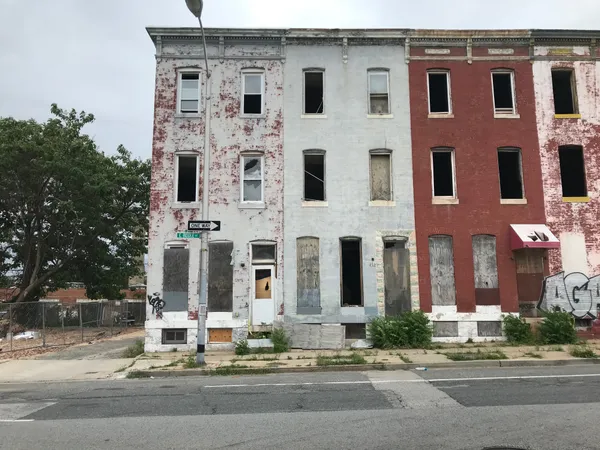
A new tax structure aimed at long-term vacancies
Baltimore has adopted a new property-tax surcharge that raises the tax bill for buildings classified by the city as vacant structures, a policy designed to deter prolonged vacancy and accelerate enforcement actions against blighted properties. The measure was enacted through Ordinance 24-431 (Council Bill 24-0601), which was introduced on October 7, 2024, adopted by the City Council on November 4, 2024, and took effect January 1, 2025.
While the ordinance is already in effect as law, the higher tax rate does not begin immediately. The first tax year in which the surcharge may be applied runs from July 1, 2026, through June 30, 2027—meaning many owners will not see the higher charge reflected until bills for the 2026–2027 tax year are issued.
How the surcharge works: three times the full rate, then four times
Under the ordinance, a property classified as a vacant structure becomes subject to a special rate tied to Baltimore’s full real property tax rate. In the first full tax year after a property is classified as vacant, the property tax becomes three times the full rate. In any subsequent tax year in which the property remains classified as vacant, the tax becomes four times the full rate.
Baltimore’s general real property tax rate for fiscal year 2026 is $2.248 per $100 of assessed value. If that full rate remains unchanged when the surcharge takes effect, the policy would translate into an effective city real property tax rate of $6.744 per $100 in the first full year of vacancy classification and $8.992 per $100 in later years of continued vacancy classification—before adding any separate state property tax component that also appears on Maryland property tax bills.
- First full tax year after vacancy classification: 3× the city’s full real property tax rate.
- Each later year the property remains classified as vacant: 4× the city’s full real property tax rate.
- First eligible tax year for application: July 1, 2026–June 30, 2027.
Notice requirements and annual reporting to government bodies
The ordinance includes provisions requiring the city to notify owners ahead of implementation through multiple channels, including mailed notice and public notice through newspaper advertising in June preceding the listed tax years. It also directs the Department of Finance to file a report by December 1 each year to city and state stakeholders outlining the special rate in effect, the number of affected properties, revenue changes, how revenue is used, and whether impacted properties are viable for adaptive reuse or conversion plans.
Context: scale of vacancy and the city’s enforcement objectives
City officials have described vacancy as a persistent challenge across Baltimore, with estimates placing the number of vacant properties in the tens of thousands when counting vacant structures and lots. The surcharge is structured to increase financial pressure on owners who leave buildings unused while creating larger tax liens that can support legal remedies, including the city’s in rem process, which is used to pursue control of distressed properties when debts and conditions warrant action.
The tax change is timed to begin in the 2026–2027 tax year and escalates for properties that remain vacant in subsequent years.