BWI-Marshall issued a temporary FAA ground stop for runway pavement repair, disrupting flights Monday afternoon
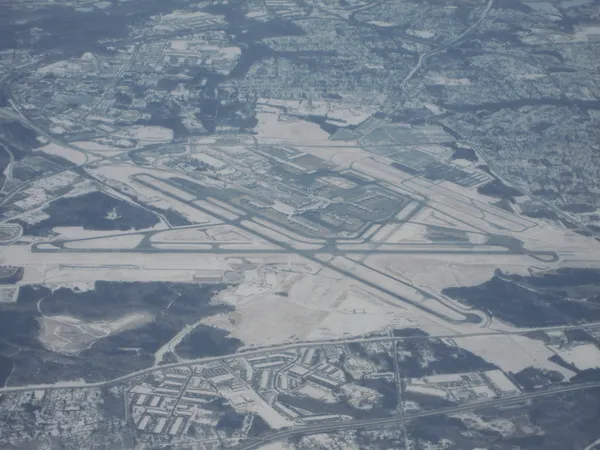
Ground stop triggered by runway work at Maryland’s busiest airport
Baltimore/Washington International Thurgood Marshall Airport experienced a temporary ground stop Monday afternoon, after air traffic authorities halted certain flight operations to allow runway-related maintenance and repairs to be completed.
Federal aviation status updates for the airport listed “runway maintenance” as the active reason for operational restrictions, with an estimated end time in the early evening. During the ground stop, aircraft bound for BWI were affected by delays and, in some cases, diversions to alternate airports as controllers managed inbound traffic while runway conditions were addressed.
What airport and aviation officials said
Airport officials said both commercial runways were temporarily closed to complete a pavement repair tied to a pavement error. The work was described as time-sensitive, and the airport said it coordinated the temporary closure with the control tower, emphasizing safety as the primary reason for the disruption.
Local reporting from the airfield indicated crews were actively working on the runways during the closure window. As repairs were completed, the airport planned to reopen the runways in stages, bringing the airfield back toward normal operations.
How ground stops affect travelers
A ground stop is an air traffic management measure used to control the flow of aircraft into an airport when arrivals cannot be safely or efficiently accommodated. When both primary commercial runways are unavailable, arrival capacity can drop sharply, prompting controllers to hold flights at their departure airports and manage airborne traffic through reroutes and diversions.
For passengers, the impact typically includes delayed departures, delayed arrivals, aircraft waiting for gates as schedules compress, and missed connections as delays cascade across airline networks. Airlines also may reposition aircraft and crews after a disruption, which can prolong uneven recovery into later flights even after normal runway operations resume.
Context: runway work and airfield reliability
BWI, like other major U.S. airports, periodically schedules maintenance and construction to keep runways, taxiways, lighting systems, and drainage infrastructure within safety standards. Airport materials and public notices have previously outlined how runway and taxiway projects can shift traffic to other runways, changing arrival and departure patterns and increasing congestion during certain wind or flow configurations.
What passengers can do during similar disruptions
- Check flight status directly with the airline before leaving for the airport and again upon arrival.
- Monitor inbound aircraft routing changes and potential diversions if picking up arriving passengers.
- Allow extra time for rebooking, especially during peak travel periods when spare seats are limited.
Airport operations returned toward normal as runway repairs were completed and runway availability was restored.