BWI travelers face prolonged TSA checkpoint waits as Homeland Security funding lapse strains airport staffing levels
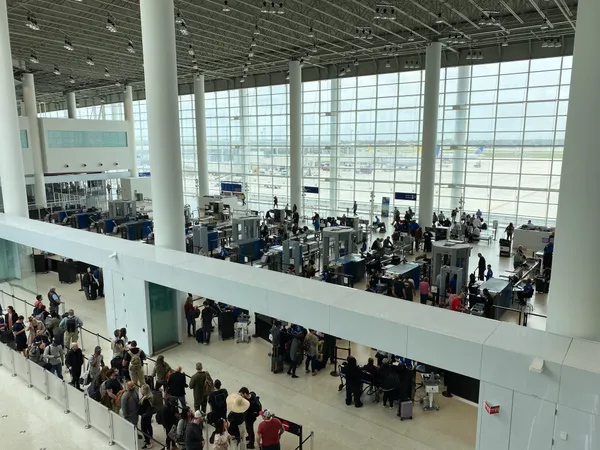
Delays at security checkpoints add uncertainty for departing passengers
Passengers departing from Baltimore/Washington International Thurgood Marshall Airport (BWI) have reported extended waits at Transportation Security Administration (TSA) checkpoints in recent days, with conditions changing sharply by time of day. The delays are unfolding as a federal funding lapse affecting the Department of Homeland Security (DHS) continues, leaving TSA screening operations more vulnerable to daily staffing fluctuations.
TSA officers are classified as essential personnel and continue screening passengers during funding gaps, but missed or delayed pay has been associated with higher absenteeism and retention pressures. Nationally, airport checkpoint performance has become less predictable during the lapse, with some airports experiencing multi-hour lines while others report relatively normal operations depending on turnout for individual shifts.
What is driving the lines
Security throughput at BWI, as at other U.S. airports, is closely tied to how many lanes can be kept open and how quickly travelers can be processed. During the current funding impasse, TSA has faced workforce stressors that can reduce staffing at checkpoints. When fewer officers are available, airports may consolidate screening into fewer open lanes, producing longer lines even when flight schedules remain unchanged.
Staffing volatility: Checkpoint speed can swing from one shift to the next based on attendance.
Lane availability: Airports can concentrate screening into fewer checkpoints to manage limited staffing, increasing queue length at open lanes.
Peak departure surges: Early-morning and late-afternoon departure banks can intensify crowding when staffing is constrained.
Federal response expands beyond TSA workforce
As wait times grew at airports in multiple regions, the federal government moved to supplement airport security functions by assigning additional DHS personnel to support operations. The support role has been described as focused on managing lines and crowd flow rather than replacing TSA’s core screening responsibilities.
Checkpoint wait times have become highly variable during the DHS funding lapse, with staffing levels determining whether lines move quickly or extend deep into terminals.
What travelers can do at BWI
Airport operations and screening practices can change quickly during a funding lapse. Travelers departing BWI should plan for extra time and be prepared for checkpoint consolidation, especially during peak departure windows. Passengers who have flexibility may reduce risk by arriving earlier than they would under normal conditions and by allowing additional buffer time for parking, baggage check, and walking to checkpoints.
The funding standoff remains the central factor shaping near-term uncertainty. Until regular DHS funding is restored, BWI passengers should expect that checkpoint conditions may continue to fluctuate from day to day, including the possibility of long lines during high-demand periods.