Fells Point’s Black Olive owners seek bankruptcy protection amid foreclosure dispute over restaurant building loans
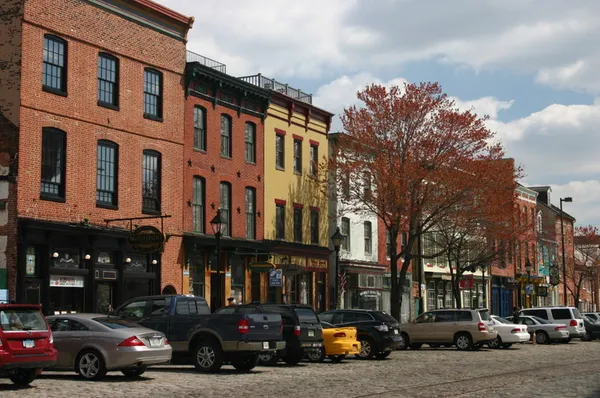
A long-running Fells Point dining fixture enters federal bankruptcy court
The owners of The Black Olive, a Greek restaurant operating in Baltimore’s Fells Point since 1997, have filed for Chapter 13 bankruptcy protection in an effort to halt a pending foreclosure sale of the building that houses the business. The filing was described by the restaurant’s legal counsel as a step intended to pause the foreclosure process and move the underlying loan dispute into a court-supervised framework.
The owners have said the restaurant remains open and is continuing normal operations, framing the bankruptcy case as a real estate and lending conflict rather than a shutdown or liquidation filing. Under Chapter 13, a debtor typically seeks to reorganize debts through a repayment plan while receiving the benefit of an automatic stay that pauses most collection activity, including foreclosure proceedings.
What the Chapter 13 filing is designed to do
The core effect of the filing is procedural: it stops the scheduled foreclosure sale and sets a timeline for the parties to litigate or negotiate disputed claims within the bankruptcy process. The owners, through counsel, contend the loans tied to the property have been fully satisfied, while the lender disputes that position. Bankruptcy court oversight can require creditors’ claims to be documented, challenged where appropriate, and resolved under rules that govern repayment plans and secured debt treatment.
While Chapter 13 is most commonly associated with individuals who have regular income, the legal characterization of the filing, the identity of the debtor entity, and the structure of the owners’ obligations can shape what relief is available. Those specifics—such as the exact debtor name, the property interest at issue, and the claimed loan balance—are typically established through court filings and creditor proofs of claim.
Why property disputes have become a defining risk for restaurant operators
Restaurants that own or control their real estate often face pressures that differ from tenants: debt service, refinancing risk, and exposure to foreclosure timelines can become existential even when dining-room revenue remains stable. In older commercial corridors like Fells Point, where property values and redevelopment interest can be significant, loan disputes can escalate quickly into litigation and sale proceedings.
Local context: closures and ownership transitions across Baltimore’s restaurant scene
The Black Olive filing arrives amid a period in which multiple Baltimore-area restaurant properties and operators have faced financial distress, closures, or forced transitions. In recent years, some high-profile establishments have ceased operations, and at least one major Fells Point restaurant property associated with a longstanding venue has moved through auction and lender-driven sale processes. Separately, wage and payment disputes tied to a closed Fells Point bar have prompted complaints to state labor authorities.
- Chapter 13 filings generally trigger an automatic stay that can pause foreclosure while the case proceeds.
- The dispute described by the owners centers on whether certain property loans were fully repaid.
- The restaurant has stated it remains open and operating during the court process.
For customers, the immediate question is operational continuity; for creditors, it is whether the bankruptcy forum will confirm the validity and amount of the disputed debt.
The next milestones typically include the formal bankruptcy schedules, creditor notices, and early hearings that determine how the case will proceed and whether a repayment plan can be confirmed while the foreclosure dispute is resolved.