Four injured after apparent explosion at Coca-Cola bottling plant in East Baltimore, firefighters report
Emergency response and initial reports
Four people were hurt in an apparent explosion at a Coca-Cola bottling facility in East Baltimore, prompting a multi-unit response from the Baltimore City Fire Department. Firefighters reported that the incident involved injuries significant enough to require medical evaluation, with patients transported for treatment while crews secured the scene.
Officials described the incident as an “apparent explosion,” a term typically used early in an investigation when the exact ignition source and sequence of events have not yet been confirmed. In industrial settings, that designation can encompass a range of scenarios—from equipment failures and pressure-related events to utility-line issues—pending technical review and interviews.
What is known about the location
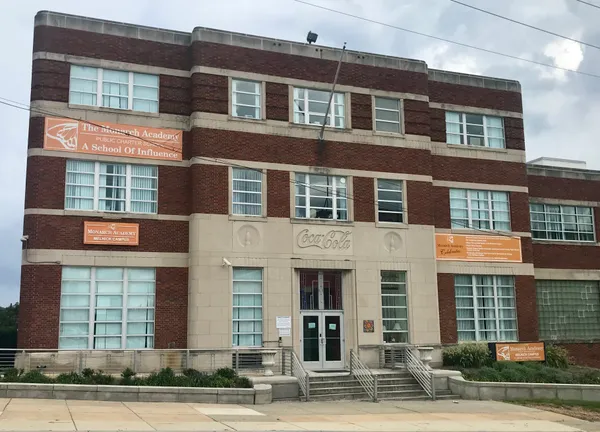
The incident took place at the Coca-Cola bottling operation on North Kresson Street in Baltimore, a long-running industrial site in the city’s eastern manufacturing corridor. The facility is part of the regional bottling and distribution network that packages and ships beverages for the Baltimore market and surrounding areas.
How industrial explosion investigations typically proceed
In the hours after an industrial blast report, fire investigators and safety personnel generally focus on scene stabilization, accountability for employees and contractors, and hazard mitigation. That can include:
- Confirming that utilities are controlled and the building is structurally safe for entry.
- Ruling out ongoing fire extension and monitoring for secondary hazards such as pressurized systems or chemical exposure.
- Documenting the area of origin, equipment involved, and any damage patterns consistent with overpressure.
- Interviewing witnesses and collecting maintenance and operational records relevant to the affected equipment or process line.
Depending on circumstances, additional agencies may become involved after the initial emergency phase—particularly if the event implicates workplace safety rules, industrial processes, or regulated materials. Those determinations are typically made after preliminary findings establish whether the incident was confined to a single piece of equipment, involved utilities, or indicated a broader process-safety concern.
Injuries and operational impact
Fire officials reported four injured. Authorities had not publicly released the victims’ identities or detailed the nature of their injuries at the time of the initial report. In workplace incidents, those details are often withheld pending notification of families and verification by medical providers.
Officials also had not released a public damage estimate or a timeline for any resumption of normal operations. Industrial facilities commonly pause affected lines and restrict access to sections of a plant until investigators complete documentation and safety checks.
Key unresolved questions include what equipment or area was involved, whether the event was tied to a utility or pressurized system, and what sequence of failures led to the blast report.
What comes next
Authorities are expected to continue a formal investigation to determine the cause and to identify any contributing factors, including equipment condition, operating procedures, and the presence of contractors or maintenance work at the time. Further updates are typically issued once investigators confirm the origin and mechanism of the incident and workplace reporting requirements are met.