How Baltimore-area congregations and community centers are marking Tu B’Shvat with seders and family programs
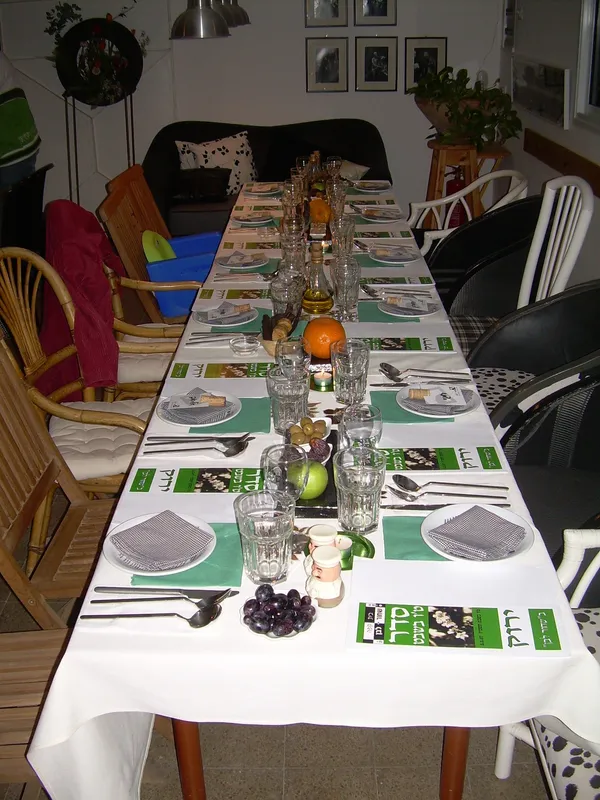
A winter holiday centered on trees, fruit and environmental stewardship
Tu B’Shvat—often described as the Jewish “new year of the trees”—falls on the 15th day of the Hebrew month of Shevat and is widely observed with rituals that highlight the natural world, seasonal cycles and the relationship between land, food and community. In Baltimore, local observances typically translate those themes into educational programs, communal meals and family-friendly gatherings, even as the holiday arrives during the region’s coldest weeks.
Community seders and tasting rituals remain a central Baltimore tradition
Several Baltimore-area institutions are organizing Tu B’Shvat seders—structured, ritualized gatherings that commonly include blessings, learning and tasting fruits associated with the holiday. Baltimore Hebrew Congregation has scheduled a midday Tu B’Shvat seder led by Rabbi Eden Glaser and Rachel Canar, featuring fruit tasting and holiday materials, with attendees invited to bring their own lunch.
Beth El Congregation has announced an evening Tu B’Shvat seder designed for multiple ages, led by Cantor Melanie Blatt Schuster and Ben Kreshtool, framing the program around the yearly cycle of trees and themes of caring for creation.
Programs for young children highlight hands-on learning
Family and early-childhood offerings continue to be a significant entry point for local participation. The Jewish Community Center of Greater Baltimore has listed a Tu B’Shvat program for children ages 5 and under at its Rosenbloom Owings Mills location, combining music, a breakfast component and a holiday-themed take-home craft. Such programming reflects a broader trend in local Jewish communal life: pairing seasonal learning with tactile activities for younger families.
Regional observances extend beyond the city, reflecting interconnected communities
Tu B’Shvat programming in the Baltimore region often includes events in nearby communities that draw participation across county lines. In Howard County, Bet Aviv has scheduled a Tu B’Shvat-themed gathering in Columbia built around an Israeli wine tasting and community socializing. While not centered on a traditional seder format, the event underscores how the holiday’s themes can be expressed through food and agricultural products linked to Israel and the broader Jewish diaspora.
What these events share—and how they differ
Shared elements: fruit tasting, blessings, seasonal reflection and group learning are recurring features across multiple events.
Different audiences: offerings range from early-childhood programming to intergenerational seders designed for families, adults and congregational communities.
Different formats: some programs emphasize ritual structure, while others use food-centered programming as a social and cultural gateway to the holiday.
Across the Baltimore area, Tu B’Shvat programming this year is being expressed through community seders, family learning activities and food-based gatherings that connect seasonal themes with local communal life.
For Baltimore-area residents, the holiday’s local calendar offers multiple points of entry—whether through a formal seder, a child-focused craft-and-music event, or a community gathering built around tasting and conversation—each shaped by the institutions and audiences that host them.