How Baltimore-area non-contact boxing classes are designed to help people with Parkinson’s improve daily function
A growing fitness approach built around Parkinson’s symptoms
Non-contact boxing programs tailored for Parkinson’s disease have expanded across the United States in recent years, including in and around Baltimore. These classes use boxing-style training—without sparring or head contact—to address common Parkinson’s-related challenges such as slowed movement, balance problems, stiffness, and reduced coordination.
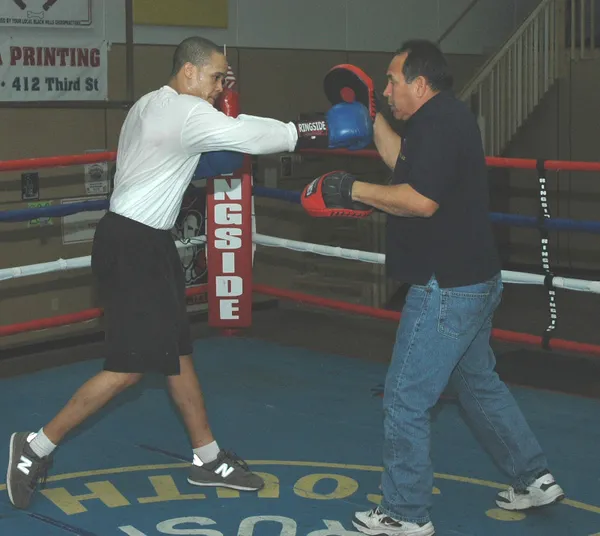
In Baltimore, Parkinson’s-focused boxing options include Rock Steady Boxing-affiliated programs and other boxing-inspired fitness classes that adapt intensity levels for different stages of the disease. Class formats typically combine timed rounds on heavy bags or focus mitts with footwork drills, balance work, strength training, stretching, and cognitive “dual-task” exercises that pair movement with counting or sequencing.
What happens in class and why it’s structured that way
Parkinson’s affects motor control and can also influence speech, mood, and stamina. Boxing-inspired workouts are structured to challenge multiple systems at once—hands, feet, posture, attention, and breathing—within a supervised setting. In many programs, coaches incorporate:
- Agility and footwork drills to support gait and reduce shuffling patterns.
- Balance and posture work to address instability and fall risk.
- Upper-body combinations to build speed, range of motion, and coordination.
- Strength and conditioning to support daily activities and endurance.
- Stretching and mobility to reduce rigidity and improve flexibility.
Programs frequently offer multiple levels—often described as lower-intensity and higher-intensity groups—so that participants can be placed in classes matching their functional status and safety needs.
Evidence base: exercise is recommended, but results vary by individual
There is no cure for Parkinson’s, and exercise programs do not replace medical care. However, major Parkinson’s organizations consistently recommend regular physical activity as part of symptom management and quality-of-life support. Research and clinical guidance broadly indicate that ongoing exercise can help maintain mobility and function, with benefits depending on consistency, intensity, and an individual’s overall health.
Because Parkinson’s symptoms and progression vary widely, programs emphasize individualized modifications—such as shorter rounds, reduced complexity, or additional balance support—especially for participants with more advanced symptoms.
Local access and barriers: scheduling, transportation, and continuity
Across the Baltimore area, Parkinson’s boxing classes are offered through a mix of community gyms, wellness programs, and health-system or nonprofit-affiliated offerings. Schedules can include weekday daytime sessions as well as some afternoon or multi-day-per-week options, reflecting an emphasis on routine and repeated practice.
Even as availability increases, practical barriers remain common: transportation to class, the need for caregiver support, and the challenge of sustaining participation during symptom fluctuations. Many programs address this by creating structured, repeatable class plans and encouraging attendance multiple times per week when medically appropriate.
Non-contact boxing for Parkinson’s is built around supervised, symptom-targeted movement: coordination, balance, strength, and sustained effort—without sparring.
What participants often seek: function, confidence, and community
Beyond fitness, these classes frequently serve as a consistent social setting for people living with Parkinson’s and their care partners. Program design commonly includes group formats that keep participants active while also fostering peer support. For many, the goal is practical: staying independent longer by working on the movements Parkinson’s tends to erode.