Israel’s first deaf Knesset lawmaker, Shirly Pinto, addresses Baltimore area audience on accessibility and civic inclusion
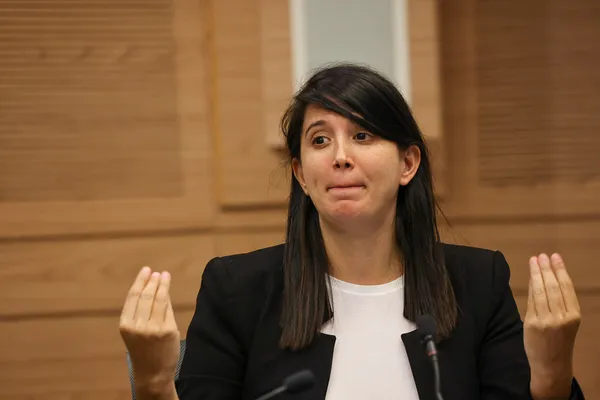
A pioneering Israeli political figure visits the Baltimore region
Shirly Pinto, recognized as the first deaf member of Israel’s parliament, has appeared in the Baltimore area for a public talk focused on disability access and civic participation. Pinto entered the Knesset in June 2021 and became widely noted for taking Israel’s parliamentary oath using Israeli Sign Language, supported by professional interpretation to ensure full participation in debates and votes.
Pinto’s Baltimore appearance reflects ongoing interest among U.S. Jewish and Deaf-community organizations in cross-border exchanges on accessibility, language rights and inclusion in public institutions. Organizers provided sign-language access for attendees, consistent with the accessibility theme of the event.
Who Shirly Pinto is, and why her election mattered
Pinto is a Deaf Israeli social and political activist who served as a Knesset member during 2021–2022 and again in 2022. Her parliamentary entry was enabled by Israel’s “Norwegian Law,” a mechanism that allows cabinet ministers to step down from the Knesset, opening seats for the next candidates on party lists. In the Knesset, accommodations were implemented to support her day-to-day legislative work, including interpretation and adjustments to seating and in-chamber signaling.
Before and during her time in national politics, Pinto has been associated with advocacy on disability-related issues and Deaf access, including efforts to strengthen recognition and practical use of sign language in civic life. She has also been involved in educational work related to sign-language interpreting.
What Baltimore-area audiences are hearing: access as a public-policy test
In public settings, Pinto’s story is frequently used to examine how legislatures translate legal equality into workable participation—especially when communication access is required in real time. Her experience highlights the operational side of inclusion: interpretation logistics, technology, and rules that ensure a lawmaker can respond immediately during proceedings rather than after the fact.
For Baltimore-area civic and community leaders, those details resonate with local debates that often hinge on implementation rather than principle—whether in schools, public health settings, courts, or government meetings where Deaf and hard-of-hearing residents seek consistent access.
Key takeaways from Pinto’s public record
- She became the first deaf member of the Knesset in June 2021 and used Israeli Sign Language in parliamentary proceedings.
- Her Knesset service depended on formal accommodations designed to support full legislative participation.
- Her activism centers on accessibility and the civic standing of Deaf people and sign-language users.
Pinto’s Baltimore-area appearance underscores a growing pattern of dialogue between Israeli and American Deaf communities, linking personal milestones in representation to concrete questions about how institutions deliver accessibility.
As Baltimore continues to expand accessibility expectations across public life, Pinto’s visit offers a fact-based case study in what it takes—procedurally and practically—for a legislature to integrate a Deaf elected official on equal footing.