Kevin Plank sells Baltimore Water Taxi, signaling a new ownership chapter for Inner Harbor transit services
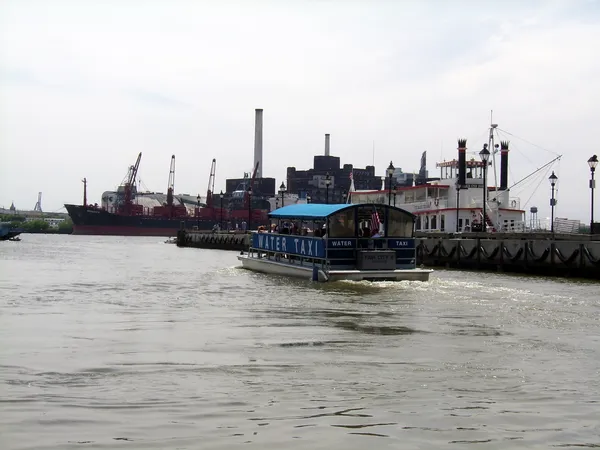
A change at the top for a long-running waterfront operator
Baltimore Water Taxi, a familiar presence on the city’s waterfront for decades, is entering a new ownership phase following the sale of the business by Kevin Plank. Plank’s investment arm acquired Harbor Boating Inc., the company operating Baltimore Water Taxi, in 2016—six years after Marine Corps veteran and Baltimore native Michael McDaniel purchased the enterprise from the Kane family and rebranded it from “Ed Kane’s Water Taxi.”
The sale comes as Baltimore’s waterborne transit plays a dual role: a visitor-facing service that connects harbor destinations and a publicly supported commuter option through the city’s fare-free Harbor Connector routes. Any change in ownership can affect capital planning, staffing, fleet management, and the company’s relationship with municipal transportation priorities.
How the operation is structured today
The Baltimore Water Taxi umbrella includes multiple types of service with different funding and ridership dynamics. The Harbor Connector operates on weekday schedules as a free, city-backed point-to-point network across the harbor. Separately, the company runs ticketed seasonal service marketed to tourists and residents, along with private charters.
Recent service planning has emphasized commuter usability. The city has adjusted Harbor Connector scheduling and stops, including changes slated to begin March 2, 2026, designed to better match peak travel periods and strengthen connections between neighborhoods such as Canton, Locust Point, and waterfront areas in and around Fells Point.
- Founded in 1975, the water taxi began as a private Inner Harbor transportation and sightseeing service.
- In 2010, the business was sold to Michael McDaniel and renamed Baltimore Water Taxi.
- In 2016, the company was purchased by Plank’s investment firm, with McDaniel remaining in leadership.
What changes—and what does not—after a sale
A sale does not automatically alter routes, fares, or city contracts, but it can reshape how the operator invests in vessels, technology, and service expansion. Under Plank’s ownership, Baltimore Water Taxi pursued fleet modernization and promoted the idea of expanded harbor mobility, including discussions about on-demand service models and additional stops tied to evolving waterfront activity centers.
For riders, the most immediate questions typically center on continuity: whether the Harbor Connector remains reliable for daily commuters, how seasonal ticketed service is priced and scheduled, and whether fleet availability supports both public-service commitments and private charter demand during peak months.
In Baltimore, waterborne transit has increasingly been treated as a practical connector—linking residential neighborhoods, employment centers, and major attractions—rather than only a sightseeing amenity.
What to watch next
Key indicators of the transition will include whether existing executive leadership remains in place, whether the operator seeks amendments to its arrangements for waterfront landings and docks, and whether planned service adjustments proceed on schedule. For the city, the ownership change will also test how well water-based transit can be integrated into broader mobility goals while maintaining consistent service standards for residents and visitors.