Maryland drivers face rapid gasoline price increases as global oil shocks and regional supply costs compound
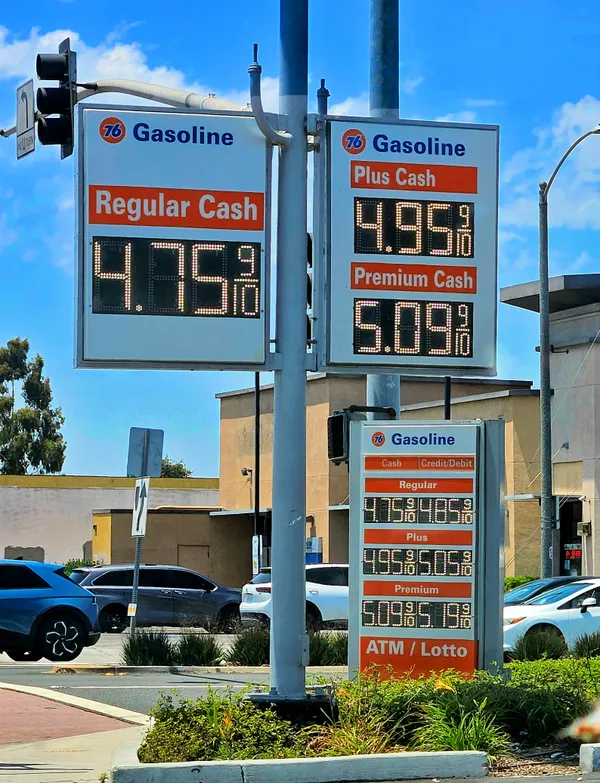
Prices rise quickly across Maryland, with week-to-week jumps outpacing recent winter lows
Maryland motorists are confronting a sharp run-up in gasoline prices in early March 2026, a reversal from the lower levels seen during late 2025. Statewide averages moved above $3.50 per gallon in mid-March, following a rapid climb of roughly forty cents over the span of a week, based on widely used daily fuel-price tracking.
The speed of the increase has amplified concerns among commuters and small businesses that depend on predictable transportation costs. While retail prices vary by station and neighborhood, the statewide pattern reflects a broader national upswing in fuel prices that has emerged in tandem with heightened geopolitical risk affecting global oil markets.
What is driving the increase: crude oil shocks, then local market dynamics
Gasoline is a refined product whose retail price is shaped first by crude oil costs and then by refining margins, distribution logistics, and local taxes and requirements. In early March, global market stress linked to armed conflict in the Middle East triggered sudden price movements for petroleum, which historically feed into U.S. pump prices with short lags.
Maryland’s retail prices also reflect regional supply realities. The state sits within the East Coast fuel market, which can be sensitive to pipeline flows, terminal inventories, and wholesale price changes. Even without a single Maryland-specific disruption, the state can experience abrupt retail adjustments when wholesale costs rise quickly.
Why Maryland can feel increases more acutely than some neighboring markets
Several structural factors can keep Maryland’s baseline gasoline costs higher than parts of the country closer to major refining centers or lower-tax regions. These include:
- State motor fuel taxes that add a fixed per-gallon component to retail prices.
- Federal motor fuel excise taxes that apply nationwide.
- Fuel formulation requirements in portions of the Washington–Baltimore region tied to federal clean-air programs, which can influence sourcing and blending costs.
Those elements do not explain the timing of a sudden surge by themselves, but they affect how strongly a wholesale price shock may be felt at the pump.
How the surge compares with previous peaks
Despite the current pressure, Maryland remains below the extreme highs reached during the 2022 energy-price spike, when statewide averages approached $5 per gallon. The recent move is notable for its pace rather than its absolute level, particularly after consumers experienced sub-$3 averages during parts of the 2025 winter period.
In practical terms, the price change translates into higher weekly costs for households with long commutes and for fleet-dependent businesses, even if consumption stays the same.
What to watch next
Near-term price direction will depend on whether crude oil prices stabilize, how East Coast wholesale gasoline markets respond, and whether seasonal shifts toward more expensive summer-grade gasoline add additional upward pressure. For drivers, the most immediate signals are continued volatility in daily station pricing and widening gaps between neighborhoods as retailers adjust at different speeds.