Mayor Brandon Scott’s 2040 overdose reduction target draws on restitution funds, strategic plan, and city data
Baltimore sets long-range benchmark for lowering overdose deaths
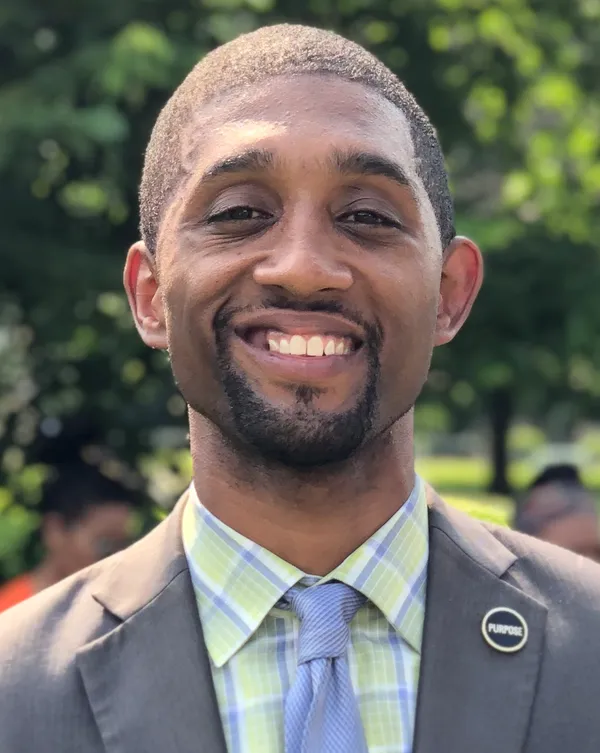
Baltimore Mayor Brandon Scott has set a long-term benchmark to cut fatal overdoses by 2040, tying the target to a citywide strategy that is being built around opioid restitution funding, updated local data, and a formal planning process that is scheduled to repeat every two years.
The effort follows an executive order signed on August 29, 2024, establishing governance for opioid restitution funds and requiring a comprehensive overdose reduction strategy, a community needs assessment, a community engagement plan, and transparency and accountability measures. The order also created new leadership roles in the Mayor’s Office to coordinate the citywide overdose response and guide how restitution dollars are awarded and tracked.
What the city has documented about the scope of the crisis
A Baltimore City Health Department needs assessment finalized in May 2025 described a steep overdose burden over the past decade and reported that preliminary 2024 figures were trending downward compared with 2023, though rates remained among the highest in the country. The report stated that since 2014, more than 8,800 people have died of overdoses in Baltimore.
The same assessment highlighted sharp disparities by race, age, and sex, including elevated risk among older Black men. It also described the city’s current drug supply environment as increasingly characterized by polysubstance use and the presence of synthetic opioids, with additional non-opioid adulterants appearing in illicit drug markets.
Strategic plan and oversight structure
On July 2, 2025, the city released a preliminary Overdose Response Strategic Plan covering 2025 to 2027. City materials describing the plan said it is organized around five priorities and 13 strategies, with periodic updates planned as new data and community feedback are incorporated. The city scheduled a set of public listening sessions in July 2025 and set an August 29, 2025 deadline for written public comment on the preliminary plan.
The governance structure outlined in the 2024 executive order includes a Restitution Advisory Board intended to incorporate community participation, including people with lived experience, practitioners, and public officials. The executive order also calls for a public-facing dashboard updated at least annually, along with annual reporting to the mayor and City Council on funded programs and performance measures.
How restitution funding is being positioned
The August 2024 announcement accompanying the executive order stated that Baltimore had secured $242.5 million in opioid-related settlement funds at that time, with additional litigation ongoing. The city also announced an immediate $20 million allocation to bolster ongoing overdose response work through the Baltimore City Health Department. City materials released for community engagement later indicated that total settlement amounts had increased to more than $402.5 million, with at least one case still pending.
Context: declines alongside persistent disparities
State-level reporting during this period documented a broader decline in fatal overdoses in Maryland after post-pandemic highs, while also noting ongoing demographic disparities. Baltimore’s local planning documents frame the 2040 target within that context—pairing near-term implementation steps through 2027 with a longer horizon for measuring whether program investments, service expansion, and accountability mechanisms translate into sustained reductions in deaths.
- Key milestones include biennial updates to the strategy and needs assessment.
- Funding decisions are structured through a dedicated restitution framework and advisory process.
- Planned public reporting includes a dashboard and annual performance reporting.
If you or someone you know is experiencing a behavioral health crisis, help is available by calling or texting 988 in the United States.