Medical Examiner Rules Death a Homicide After Baltimore County Police Encounter, Triggering Parallel State Investigations
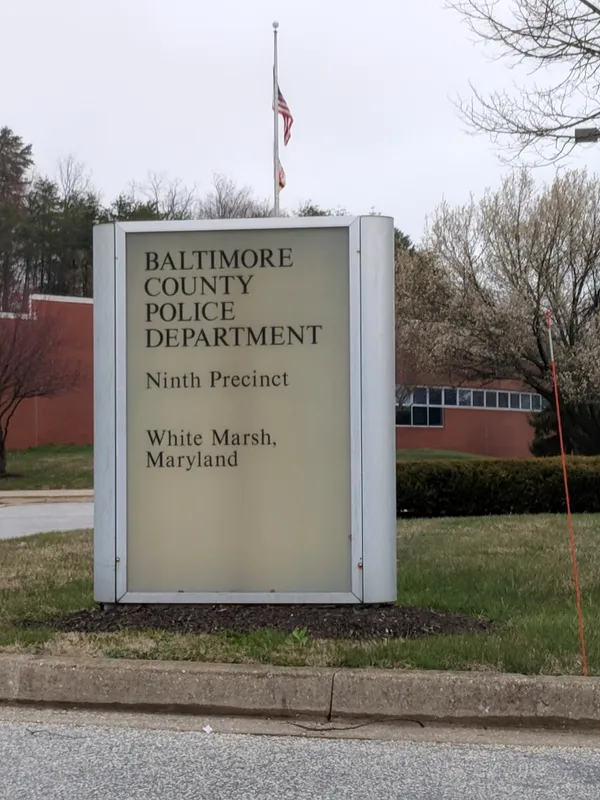
Ruling changes the legal landscape without determining criminal liability
The death of a man following an encounter with Baltimore County police has been classified as a homicide by the Office of the Chief Medical Examiner, a determination that formally attributes the death to the actions of another person. The medical ruling, however, does not by itself establish criminal wrongdoing or identify whether any use of force was legally justified.
In Maryland, deaths involving police are typically examined through multiple tracks at once: a medical determination of cause and manner of death, a criminal investigation into whether any offense occurred, and separate administrative reviews assessing adherence to department policies and training. The homicide classification places the case among a narrower set of deaths where investigators must closely evaluate how police actions or omissions contributed to the fatal outcome.
What “homicide” means in forensic practice
Medical examiners use the term “homicide” as a classification of manner of death when a fatality results from another person’s act or failure to act. It is distinct from the criminal-law term “homicide,” which covers a range of offenses and defenses and requires proof beyond a reasonable doubt. A death can be medically ruled a homicide while prosecutors later decline to file charges, including in cases involving self-defense, defense of others, or other legal justifications.
Independent state investigations now central to police-involved death cases
Maryland’s Independent Investigations Division within the Office of the Attorney General is responsible for investigating police-involved incidents that result in death or injuries likely to result in death. The division’s mandate focuses on potential criminal culpability and is separate from internal departmental reviews. Investigators typically collect and assess body-worn camera footage, dispatch and radio traffic, forensic evidence, witness statements, medical records, and autopsy findings before any prosecutorial decision is made.
Broader scrutiny of death determinations and accountability mechanisms
The homicide ruling arrives amid heightened statewide attention to how deaths linked to law enforcement restraint or custody are evaluated. In recent years, Maryland has reviewed prior in-custody death determinations and expanded public reporting on police-involved fatalities, reflecting a broader shift toward standardized oversight and clearer public accounting of outcomes.
Key questions investigators typically assess in these cases
- Whether the initial police contact and escalation complied with law and policy
- The timing and adequacy of medical assistance requested or provided
- Whether restraint methods, positioning, or duration contributed to medical distress
- Consistency between video evidence, witness accounts, and officer statements
- Whether the totality of circumstances supports criminal charges or a declination
A medical finding of homicide can sharpen the investigative focus, but it does not resolve questions of legal justification or criminal liability.
The criminal investigation remains the next determinative step. Any decision on charges will depend on the full evidentiary record, applicable Maryland statutes, and whether investigators and prosecutors conclude that an offense can be proven under the law.