Multiple Maryland counties send crews to contain a large brush fire burning in Baltimore County
Overview
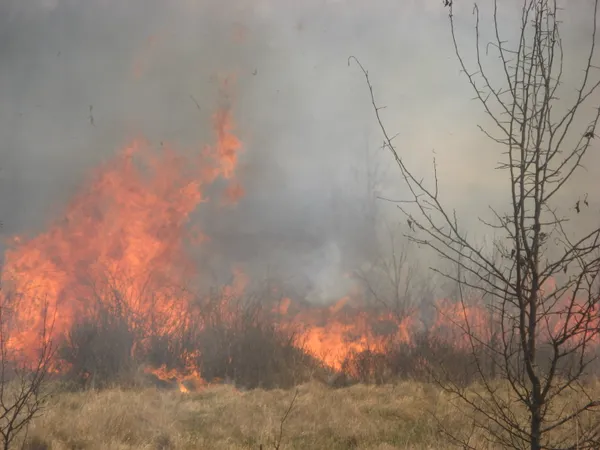
Fire and rescue crews from multiple Maryland counties responded to a large brush fire in Baltimore County, a scenario that typically triggers mutual-aid coordination when flames spread quickly across wooded or grass-covered terrain. Such fires can expand rapidly when low humidity, dry fuels and wind combine, requiring additional brush units, water tankers and supervisory staff to manage operations over a wide area.
The response reflects how large vegetation fires are handled in the region: local companies begin the attack, then additional county and state resources are requested as conditions, access, and water supply needs become clearer. In Baltimore County, career personnel and volunteer companies operate under a unified chain of command at incident scenes, allowing incoming mutual-aid units to integrate into a single operational plan.
How multi-county mutual aid works on brush fires
Brush fires can demand a different mix of resources than structure fires. Steep terrain, limited road access and the absence of hydrants often make water supply a central challenge. Departments commonly deploy brush trucks capable of off-road operations, tankers to establish shuttle operations, and utility vehicles or ATVs to move crews and equipment into remote areas.
When multiple jurisdictions respond, incident management procedures are used to assign units to specific functions such as perimeter control, structure protection, water supply, and fireline construction. A formal incident command post is typically established to coordinate strategy, safety, communications and mutual-aid staging.
- Initial containment focuses on stopping forward spread at the fire’s head and flanks.
- Crews then strengthen control lines and address spot fires caused by wind-blown embers.
- Extinguishment may continue after visible flames subside, as heat can persist in leaf litter, downed timber, and stump holes.
Why conditions can change quickly in Maryland
Maryland experiences frequent wildfire and brush-fire activity, with hundreds to thousands of incidents handled annually across local fire departments and forestry resources. While lightning can ignite fires, human activity remains a significant driver statewide, and periods of dry weather can elevate risk even outside peak summer heat.
Red Flag Warnings—issued when forecast weather can support rapid fire growth—are one indicator agencies watch closely during spring and fall fire seasons. Wind is often the factor that turns a routine brush response into a larger, multi-hour operation requiring additional staffing and equipment.
Operational priorities and public safety
During major brush fires, operational priorities generally include firefighter safety, keeping flames away from homes and critical infrastructure, and limiting smoke impacts on nearby communities and roadways. Residents near active incidents are often advised to avoid the area, follow any emergency instructions, and report new smoke or fire conditions promptly.
Large brush fires in the region have previously required broad interagency support, including aviation and state forestry assistance, underscoring how quickly vegetation fires can exceed routine local capacity.
Officials typically continue monitoring for rekindles after containment, particularly when winds return or humidity drops again, conditions that can cause hotspots to flare back up.