Reginald F. Lewis Museum faces ongoing attendance gap despite recent rebound and expanded programming efforts
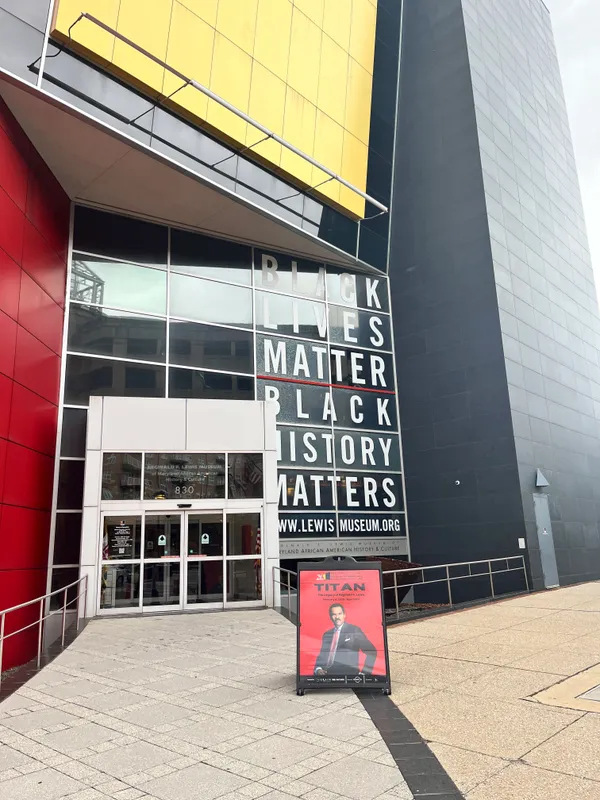
Attendance rebounds, but remains below pre-pandemic levels
The Reginald F. Lewis Museum of Maryland African American History & Culture, a state-supported institution in downtown Baltimore, has reported a measurable increase in visitation in its most recent full fiscal year while continuing to operate in a competitive visitor market anchored by Inner Harbor attractions.
State budget documents show total attendance rising 27.9% year over year, from 23,178 visitors in fiscal 2024 to 29,648 in fiscal 2025. Even with that increase, the museum’s attendance remained about 44% below its fiscal 2019 total of 53,041—an indicator of the broader challenge many cultural institutions have faced in rebuilding in-person audiences since COVID-era closures.
Who is coming: admissions, students, and programs
The same state analysis breaks out fiscal 2025 visitation into multiple channels. General admissions accounted for 20,554 visits, while 9,094 visits came through in-person programming, including 3,445 student visitors. The museum did not report virtual programming attendance for fiscal 2025.
To increase traffic, the museum has leaned on a combination of school outreach and event-driven programming. Fiscal 2025 activities included multiple new exhibit openings, festival days, and a 20th anniversary gala marking two decades since the museum opened in 2005.
- Fiscal 2025 total attendance: 29,648
- Fiscal 2024 total attendance: 23,178
- Fiscal 2019 total attendance: 53,041
- Fiscal 2025 general admission visits: 20,554
- Fiscal 2025 in-person programming visits: 9,094 (including 3,445 students)
Competition and the Inner Harbor visitor economy
The museum operates within a dense tourism corridor where larger institutions draw substantial annual crowds. The National Aquarium has said it engages more than one million guests a year as part of the typical Baltimore visitor itinerary, underscoring the scale gap between major Inner Harbor anchors and smaller museums competing for discretionary visits.
For the Lewis Museum, that environment raises the stakes for marketing, partnerships, and repeat-visit strategies—particularly when overall leisure spending and travel patterns can shift year to year.
Funding, staffing pressures, and governance scrutiny
Operational stability remains a central factor in sustaining programming and improving attendance. Recent state-level budget materials have described an operating budget in the range of roughly $6.3 million, supported in part by a multi-million-dollar general fund grant.
Volunteer capacity has also been trending down. State documents show the total number of volunteers and docents falling from 100 in fiscal 2024 to 71 in fiscal 2025, with the museum attributing the decline to fewer corporate volunteer groups.
In parallel, a state audit issued in August 2025 reviewed financial and operational controls at the Maryland African American Museum Corporation, the entity tied to museum operations. The audit period included transactions from April 2021 through January 2025 and documented control findings alongside corrective actions described by museum leadership.
The museum’s recent attendance gains highlight momentum, while year-over-year comparisons and audit-driven governance benchmarks underscore the operational demands of rebuilding audiences in a highly competitive tourism market.