Renaissance Baltimore Harborplace Hotel Sold for $30 Million to Lender at Foreclosure Auction
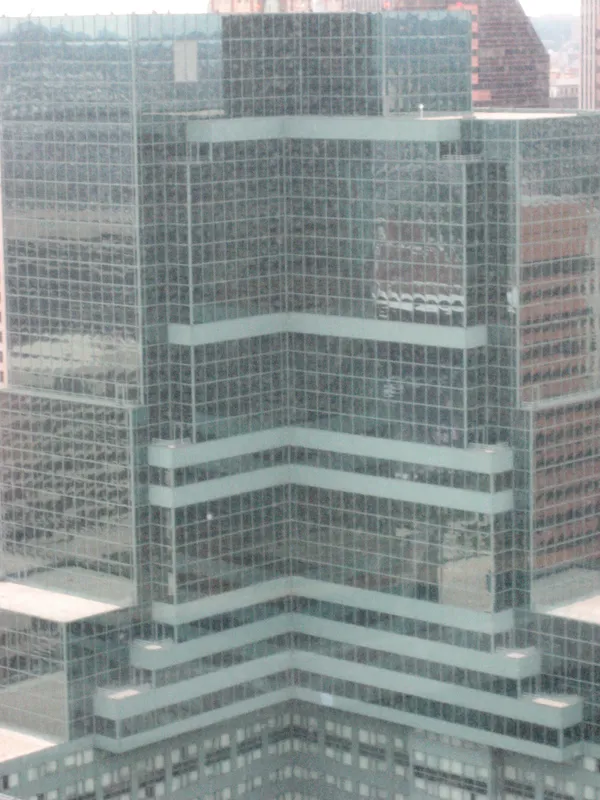
A landmark Inner Harbor hotel changes hands through a lender takeback
The Renaissance Baltimore Harborplace Hotel, a 622-room property on East Pratt Street in the Inner Harbor, was sold for $30 million at a foreclosure auction to its lender. The transaction transfers ownership control to the creditor following a loan default that moved the property into court-supervised proceedings late last year.
The sale price marks a sharp reset from the hotel’s prior major transaction. In July 2020, the property changed hands in an $80 million sale, reflecting the hotel’s scale, location, and meeting-and-event capacity. The recent foreclosure outcome indicates the extent to which financing stress and operating performance can compress valuations for large urban convention-oriented hotels.
What led to the foreclosure
Court filings tied to the foreclosure process show the hotel’s ownership entity defaulted on a $71 million loan in November 2025. The borrowing was secured by the hotel and related collateral, including fixtures, rents and leases. After the default, steps were taken to pursue a forced sale.
A receiver was appointed to operate the hotel during the legal process. Receivership is typically used to maintain continuity of operations, protect collateral value, and stabilize vendor, payroll, and guest-service functions while a property moves through foreclosure or restructuring.
Auction mechanics and what a lender purchase usually means
The auction process required a substantial deposit from bidders and sold the property in “as-is” condition, consistent with common foreclosure sale terms. The lender’s acquisition suggests the creditor either submitted the winning bid or otherwise took title through the auction process, a pathway often used when the debt exceeds market-clearing bids or when a creditor prefers to control the next steps in a disposition.
In practice, a lender takeback can set up several possible next phases, including a marketing process for resale, a recapitalization with a new operator or partner, or targeted capital work intended to improve operating results before another sale.
Why the sale matters for downtown Baltimore’s hotel market
The Renaissance is one of the Inner Harbor’s largest hotels and a significant source of room inventory for tourism, waterfront events, and group business. Its stability has implications for nearby attractions and for Baltimore’s ability to host large meetings and conventions.
The transaction also lands amid broader churn in downtown hospitality, where operators and owners have faced uneven demand recovery and rising operating costs. Foreclosure outcomes at prominent properties are closely watched indicators because they can influence appraisals, refinancing prospects, and investor expectations for other large hotels in the market.
- Property: Renaissance Baltimore Harborplace Hotel, Inner Harbor
- Rooms: 622
- Outcome: Sold at foreclosure auction for $30 million to the lender
- Precipitating event: Default on a $71 million loan in November 2025
The lender’s purchase formalizes a shift from owner-led operations to creditor control, with the next decisions likely to center on stabilization and an eventual exit strategy.
Next steps will depend on how the lender manages operations and whether a near-term sale, refinancing, or longer hold is pursued, particularly as Inner Harbor redevelopment efforts and downtown visitation trends continue to evolve.