Safe Streets Sandtown-Winchester marks more than a year without a homicide in its service area
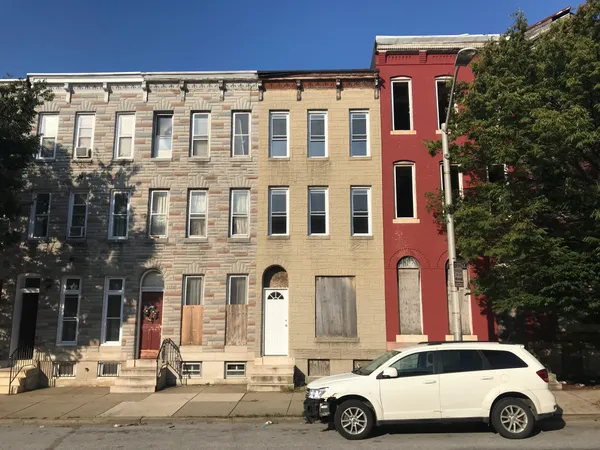
A milestone in a neighborhood long associated with gun violence
Safe Streets Sandtown-Winchester has recorded more than 365 consecutive days without a homicide within its defined service area, a benchmark that program leaders and city officials have highlighted as evidence of sustained violence reduction in a portion of West Baltimore.
The program operates as a community violence intervention initiative, using street outreach and conflict mediation to reduce retaliatory violence and prevent shootings from escalating into killings. Sandtown-Winchester’s Safe Streets site was formally launched in 2016 as part of Baltimore’s expansion of a public-health approach to violence prevention, built around identifying people at highest risk of being involved in gun violence and connecting them to services.
How “no-homicide” streaks are measured
The “over 365 days” figure refers to killings within a specific catchment zone rather than the entire neighborhood. Safe Streets sites are mapped to targeted geographies where outreach teams work daily, and the homicide-free streak is typically calculated using incident data tied to those boundaries. This approach reflects how the program is administered and evaluated: impact is tracked at the site level to compare trends in and around intervention areas.
Citywide, Baltimore has reported multi-year declines in homicides and shootings from the early-2020s peak, alongside growing investment in non-police violence reduction strategies. In recent years, multiple Safe Streets sites across Baltimore have reported yearlong homicide-free periods in their service areas, suggesting that such milestones are not isolated to a single location.
What the program does in practice
Safe Streets uses “violence interrupters” and outreach workers who aim to identify brewing disputes, de-escalate conflicts, and reduce the likelihood of retaliatory shootings. The work includes mediation between groups in conflict, follow-up to prevent escalation, and referrals to supports such as job assistance, behavioral health resources, and social services.
- Street outreach to engage people at elevated risk of violent victimization or involvement
- Conflict mediation intended to stop disputes from turning into shootings
- Ongoing follow-up designed to prevent retaliation after incidents and threats
- Connections to services that can reduce risk factors tied to violence
What research says—and what it does not
Independent evaluations of Baltimore’s Safe Streets model have found associations between the program and reductions in gun violence outcomes over time, including site-level changes in shootings and homicides. At the same time, researchers have cautioned that effects can vary by site and period, and that community violence trends are influenced by multiple overlapping factors—policing strategies, social conditions, group conflicts, and broader citywide initiatives.
The Sandtown-Winchester milestone is best understood as a place-based indicator within a targeted zone, not a standalone measure of safety across all of West Baltimore.
Why the milestone matters locally
In Sandtown-Winchester, a sustained homicide-free period carries practical implications: fewer families experiencing loss, fewer cycles of retaliation, and more time for outreach teams to deepen relationships that can prevent the next conflict. Whether the streak continues will depend on sustained staffing, consistent funding, and continued coordination with partners across public safety and community services—factors that have shaped outcomes for violence intervention programs nationwide.