Titanic: An Immersive Voyage opens at Baltimore’s Power Plant, bringing VR and artifact displays to Inner Harbor
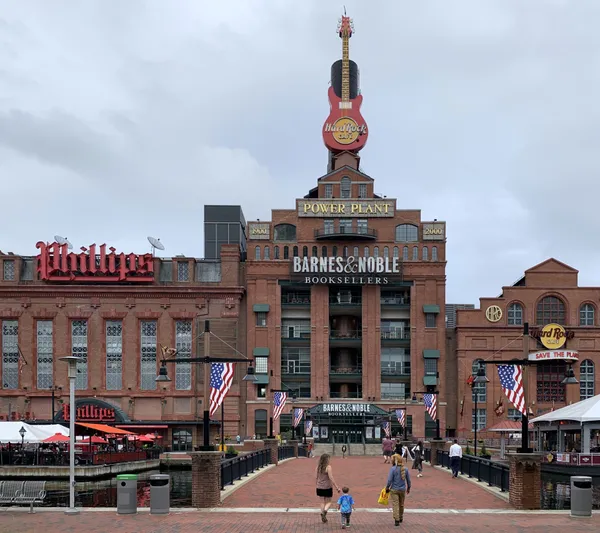
An Inner Harbor venue adds a traveling Titanic experience with virtual reality and reconstructed ship spaces
A new traveling exhibition centered on the RMS Titanic has arrived in Baltimore, offering an interactive visit that combines artifact displays, recreated environments, and a virtual-reality component designed to simulate a descent to the wreck site. The experience, titled Titanic: An Immersive Voyage, is being presented at the Power Plant complex at 601 E. Pratt St., placing it within the city’s primary tourism corridor near the Inner Harbor.
Organizers describe the exhibition as a walk-through narrative that follows the ship’s story from construction and departure through the events of April 1912. The Baltimore installation is part of a broader touring model that has been marketed in multiple U.S. cities, with similar programming emphasizing room reconstructions, large-format visual storytelling, and technology-driven interpretation.
What visitors can expect inside
Programming materials for the Baltimore engagement highlight a mix of physical display cases and staged environments meant to evoke key onboard locations and themes from the era of early 20th-century ocean travel. The experience also includes an optional virtual-reality sequence focused on the wreck site, described as more than 2.5 miles beneath the ocean surface. In Baltimore, the exhibition is promoted as featuring hundreds of items associated with the Titanic story—presented alongside video animation and 3D visual elements.
- Life-sized reconstructed rooms intended to represent onboard spaces
- Artifact-style displays presented as part of a chronological storyline
- Digital and projection-based segments designed for immersive viewing
- A virtual-reality segment portraying an underwater exploration of the wreck site
How it fits into Baltimore’s event landscape
Hosting the exhibit at the Power Plant reflects a continued pattern of using high-foot-traffic downtown locations for limited-run, ticketed experiences that aim to draw both residents and out-of-town visitors. The Inner Harbor area has long functioned as a focal point for seasonal attractions and touring events, and the Titanic exhibition follows that model by anchoring itself near existing entertainment, hospitality, and convention activity.
While the Titanic has been the subject of museum exhibitions for decades—ranging from artifact-focused presentations to interpretive installations—this format relies heavily on multimedia and virtual reality to shape the visitor experience. That approach places it within a growing category of “immersive” touring shows that emphasize visual environments and guided pacing over traditional gallery interpretation alone.
Timing and access
Tickets are being sold with timed entry, and scheduling is structured around selected dates and time slots. The Baltimore stop is currently marketed as an in-person, indoor attraction with standard venue policies, including accommodations for service animals and restrictions on non-service pets.
The exhibition’s core promise is a hybrid of historical storytelling and modern presentation tools, including a VR segment positioned as an underwater visit to the Titanic wreck.
As the exhibition runs in Baltimore, its reception will likely depend on how effectively it balances spectacle-driven immersion with clear historical framing—an ongoing challenge for technology-forward presentations of major historical events.