Waymo seeks Maryland approval to deploy fully driverless taxis in Baltimore amid evolving autonomous-vehicle rules
Regulatory decision could determine whether robotaxis can operate without a human driver in Maryland
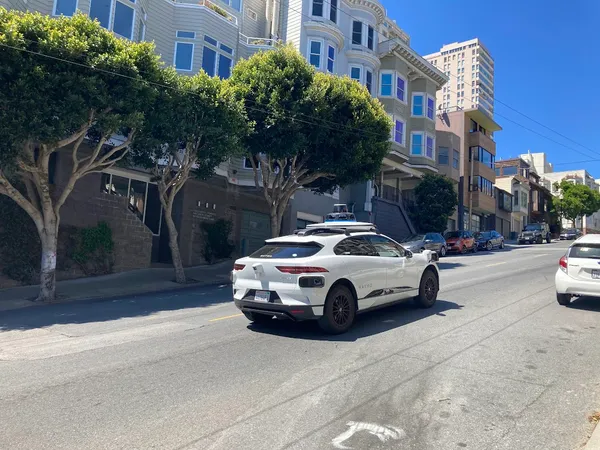
Waymo, the autonomous-driving company owned by Alphabet, is pursuing state authorization that would allow it to operate fully driverless vehicles in Baltimore, a move that would require Maryland to clarify how such services can be legally deployed on public roads. The company’s push comes as lawmakers weigh proposals intended to define who may operate a “fully autonomous vehicle,” what safety conditions apply, and how state agencies would oversee compliance.
In recent testimony before Maryland legislative committees, Waymo urged passage of measures that would create an explicit pathway for autonomous-vehicle companies to offer passenger service in the state. The legislation under consideration is framed as enabling deployment while setting baseline requirements for operation, oversight, and accountability.
What Maryland law currently allows—and what would change
Maryland has supported connected-and-automated vehicle initiatives through state transportation programs, but existing rules have generally been structured around testing scenarios that keep a licensed human driver in the vehicle. That creates a practical barrier to commercial ride-hailing in which no one sits behind the wheel.
Proposals debated in Annapolis would address that gap by establishing how a vehicle can be legally treated as the “driver” when an automated driving system is engaged, and by specifying responsibilities for the company designated as the vehicle’s operator. The debate also includes how requirements should differ for passenger vehicles versus heavier commercial vehicles, where separate restrictions have been proposed.
- Supporters argue that a defined legal framework is necessary before fully driverless passenger service can begin.
- Opponents and skeptics have raised questions about safety performance, emergency interactions, and whether oversight mechanisms are adequate for real-world deployment.
How Waymo typically expands into new cities
Waymo’s expansion model in other markets has generally begun with mapping and supervised driving, followed by autonomous operation with trained specialists in the vehicle, and only later, if regulations allow, a shift to fully driverless service. The company has stated publicly that it plans to expand to additional U.S. cities, including Baltimore and Washington, D.C., reflecting a broader strategy to build geographically diverse operating experience.
In Washington, D.C., Waymo has publicly targeted a 2026 launch for ride-hailing service, contingent on changes that would allow vehicles to operate without an in-car driver under the District’s regulatory framework. The D.C. example has been closely watched in the region because it highlights how local rules can determine whether driverless service is feasible—even when testing is permitted.
Key issues lawmakers and regulators must resolve
Maryland’s deliberations center on several practical questions: how vehicles would be insured and registered for driverless operation; what reporting would be required following crashes or unusual events; what standards would govern interactions with police, firefighters, and tow services; and how state agencies would confirm ongoing compliance after a service launches.
Any approval for driverless operation in Baltimore would represent a shift from supervised testing toward commercial deployment—an outcome that depends on legislative and regulatory decisions still in progress.
For Baltimore, the timeline and scope of any rollout remain tied to state action. Without a clear authorization mechanism for vehicles to operate with no human driver inside, the service would be limited to testing or operations that keep a licensed driver in the vehicle.